
 alishanasir237@gmail.com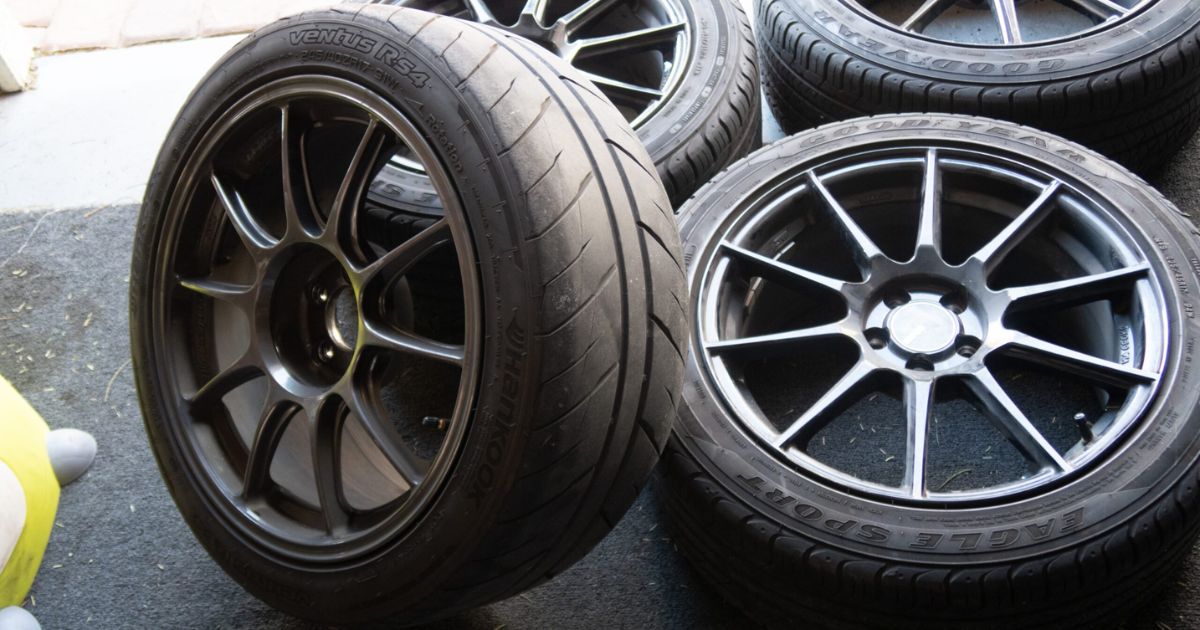
Selecting tires that fit your car is a matter of safety, comfort, and overall performance of your car. Many drivers have a choice among all-season tires and performance tires. The two are possible substitutes, but they fit different driving conditions and needs.
This is because, with knowledge of their main differences, one can make a better decision that considers one’s driving habits, climate, and expectations. Choosing the right tire not only improves handling and fuel efficiency but also extends your vehicle’s lifespan.
A well-informed choice ensures a smoother driving experience while keeping you safe on the road in all conditions.
What Are All-Season Tires?
All-season tires are designed to be used in a wide variety of weather. They are to be used on light snow, dry, and wet roads. This makes them ideal for day-to-day driving.
The most important feature of all-season tires is their versatility. When the seasons change, you will not have to change them; thus, you save time and money. They are soft, long-lasting, and grippy.
However, not all season tires are effective in extreme weather conditions, even though they have excelled on most occasions. They may not provide such a grip in winter, when there is heavy snowfall or even when roads are icy.
What are Performance tires?
Performance tires are speedy, maneuverable, and accurate. They are commonly applied to sports cars or by drivers who prefer a more dynamic driving experience. These tires have a higher grip, particularly on dry and hot surfaces.
The performance tires use a softer rubber compound. This gives it better traction and cornering. Consequently, they offer improved control and increased speed.
Nevertheless, this increased performance comes at a cost. Performance tires wear easily and do not perform well in cold and snowy weather. They are most effective in a hot climate or on highways.
Major Distinctions between All-Season and Performance Tires.
The purpose is one of the largest distinctions. All-season tires are designed with convenience and usability, whereas performance tires are designed to provide maximum performance and speed.
Performance tires offer better performance on a dry road. They provide a superior grip and accelerated response in turning or braking. All-season tires, on the other hand, offer more traction in various weather conditions.
The other factor is durability. All-season tires tend to have a longer life owing to the hardness of the rubber compound. Tires made of softer rubber, such as performance tires, are more prone to wear out, especially when used aggressively.
All-season tires can be smoother and quieter to ride, while offering great comfort. The design of performance tires can result in higher road noise and a firmer feel.
Weather Performance Comparison
The weather is a significant factor in the selection of tires. All-season tires are those that are used in moderate weather conditions. They are also good in rain and light snow and, as such, suit mild climatic regions.
However, performance tires are not recommended in cold weather.. Their rubber is hard at low temperatures, limiting grip and safety. This renders them untrustworthy during winter.
All-season tires can be safer and more cost-effective if you live in a place with varied weather.
Cost and Maintenance
The other factor is cost. All-season tires are quite cheap and do not need frequent replacement. Their extended lifespan renders them an economical option for the majority of drivers.
Performance tires may cost more to buy and maintain. Since they wear out easily, you might need to change them more frequently. This contributes to the cost of the expense in the long run.
Maintenance also differs. Performance tires might also need more frequent inspection to maintain proper pressure and alignment, particularly when they are used in high-speed driving.
Which of the Two Should You Select?
The right choice will be based on what you need to drive. All-season tires have been a good option when you are seeking a reliable and everyday tire that performs well in various conditions. They are well-rounded, durable, and convenient.
Performance tires may be better for speed, handling, and driving. They are ideal for those who drive in hot weather and want full control on the road.
Before making a decision, you should also consider your local weather, driving style, and budget.
Final Thoughts
All-season tires and performance tires both have their merits and demerits. The gimmick here is that the type of tire is chosen based on your driving conditions and expectations.
They are exceptional in their versatility and practicality, hence being suitable for most drivers. Performance tires are designed to provide more adventurous drivers with better handling and speed.
Being aware of such differences will enable you to choose the right tires to keep you safe, comfortable, and confident on the road.


 Umar Attique Shah