 alishanasir237@gmail.com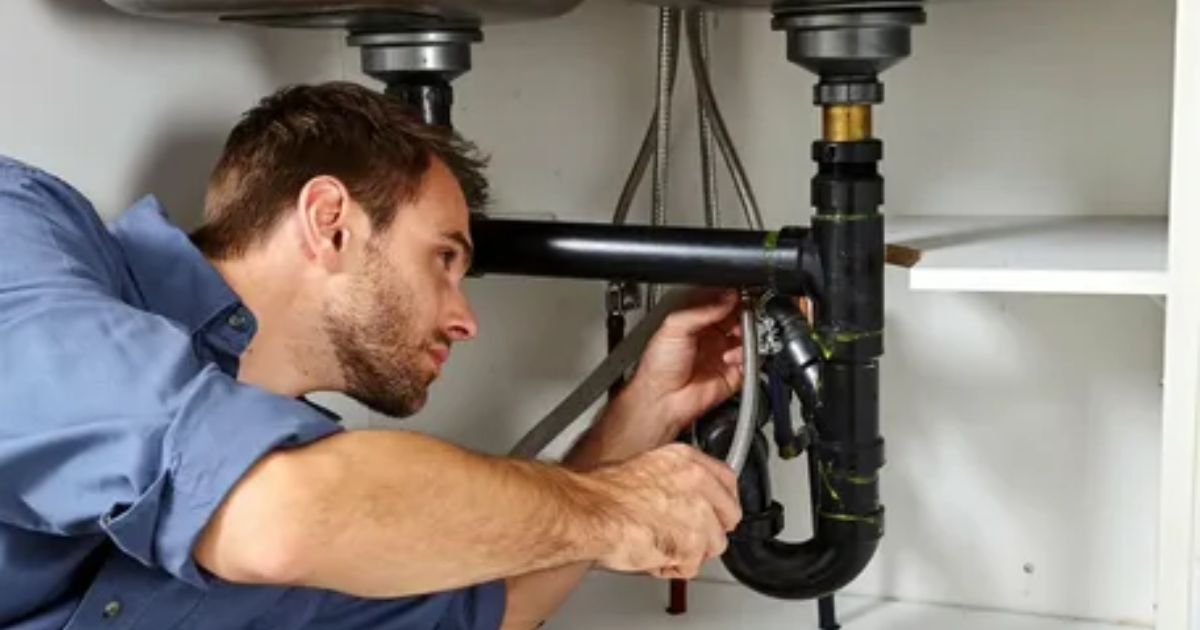
Moving into a new home is busy. Between unpacking boxes, setting up utilities, cleaning, and learning how the property works, plumbing checks can easily slip down the list. But the first week is one of the best times to identify hidden issues before they become expensive surprises.
Even if the home looked fine during inspection, everyday use can reveal problems that were not obvious before settlement. Showers, toilets, taps, hot water, drains, outdoor areas, and appliances all start working harder once the household moves in.
A few simple checks can help you understand the condition of the plumbing and decide whether you need a plumber in Adelaide service early. The goal is not to panic. It is to catch warning signs before water damage, blocked drains, or hot water failures disrupt your new home.
Test Every Tap and Fixture
Start by turning on every tap in the home. Check basins, kitchen taps, laundry taps, showers, baths, outdoor taps, and any utility areas. Look at water flow, temperature, noise, and whether the tap drips after turning it off.
Low pressure in one tap may suggest a fixture issue. Low pressure throughout the home may point to a wider supply problem. Spluttering or discoloured water may occur briefly after a property has been vacant, but it should not continue.
Check under sinks while taps are running. Look for drips from waste pipes, water supply lines, isolation valves, and flexi hoses. Even a small leak can damage cabinetry if it continues unnoticed.
Flush Toilets and Watch How They Refill
Toilets can hide issues that are easy to miss during a quick property viewing. Flush each toilet several times and watch how it behaves. It should flush strongly, clear properly, and refill without running continuously.
Listen for the cistern refilling when no one has used the toilet. This may suggest a slow leak inside the cistern. Also, check around the base for moisture, movement, staining, or smells.
A toilet that blocks, flushes weakly, rocks, or keeps running should be checked early. These issues can waste water, create hygiene concerns, and become more difficult if ignored.
Check Drain Speed Around the Home
Drainage problems often appear once the home is used normally. Run water in sinks, showers, baths, and the laundry. Watch whether water drains quickly or sits for longer than expected.
Slow drainage in one fixture may be local. Slow drainage across several areas may suggest a deeper issue. Gurgling sounds, bad smells, or water rising in the floor wastes are warning signs that should not be ignored.
Before settling into routines, search for a reliable plumber near me for plumbing and keep their details saved. If drainage problems appear in the first week, fast inspection can help determine whether the issue is minor buildup or a more serious pipe problem.
Inspect the Hot Water System
Hot water is one of the first things households notice after moving in. Check how long hot water takes to arrive, whether the temperature is consistent, and whether the system makes unusual noises.
Find the hot water unit and look for leaks, rust, dampness, or water discharge from valves. Check the age of the unit if possible. Older systems may still work, but could be nearing the end of their service life.
Do not attempt gas or electrical repairs yourself. If the system leaks, trips the power, smells unusual, or fails to heat properly, arrange a professional inspection.
Locate the Main Water Shut Off
Every homeowner should know where the main water shut-off valve is. In an emergency, turning off the water quickly can reduce damage from burst pipes, failed flexi hoses, or major leaks.
Find the valve, test whether it turns, and make sure other household members know where it is. If it is stuck, damaged, buried, or difficult to operate, have it checked.
Also, locate isolation valves under sinks and near toilets where possible. These can help stop water to one fixture without shutting off the whole home.
Look for Signs of Old Leaks
Previous leaks can leave clues. Check inside vanities, under the kitchen sink, behind toilets, around the laundry, near the hot water system, and along skirting boards. Look for swelling, stains, mould spots, musty smells, peeling paint, or soft flooring.
Some old damage may have been repaired, but fresh moisture should be investigated. Take photos if you are unsure whether a mark changes over time.
Moisture readings and professional inspection may be needed if you suspect hidden leaks. Early action can prevent structural and mould-related issues.
Check Outdoor Drainage and Stormwater
Outdoor drainage matters, especially before heavy rain. Walk around the property and check downpipes, stormwater grates, gutters at ground level, and visible drainage points. Look for blocked grates, pooling water, damp patches, or signs of overflow.
If the property has large trees, older pipework, or low-lying areas, drainage checks become even more important. Tree roots and stormwater issues can create problems during wet weather.
New homeowners often discover outdoor drainage faults only after the first storm. A basic check in the first week can help you act before water pools near the home.
Arrange a Professional Inspection If Anything Feels Wrong
Not every issue needs urgent repair, but uncertainty is worth checking. If you notice slow drains, inconsistent hot water, water hammer, stains, leaks, or unusual smells, book a plumbing inspection.
Professional plumbing Adelaide checks can identify whether the issue is minor, urgent, or something to monitor. This gives you a clear picture of the home’s plumbing condition early in ownership.
For older homes, a drain camera inspection may also be useful, especially if trees are close to sewer lines or if there is a history of blocked drains.
Conclusion
The first week in a new home is the right time to learn how the plumbing behaves. Test taps, toilets, drains, hot water, outdoor drainage, and shut-off valves. Look under sinks, check for signs of old leaks, and pay attention to smells, sounds, and slow drainage.
Small checks can help you avoid bigger problems later. If something does not seem right, do not wait until it becomes an emergency.
Book a licensed plumber to inspect any concerns early. A clear understanding of your new home’s plumbing can protect your property, reduce stress, and help you settle in with confidence.


 Umar Attique Shah