 alishanasir237@gmail.com
It often starts with a few cardboard boxes pushed into the corner of the garage. Then come unused tools, old furniture, sports gear, paint tins, and storage containers that rarely get touched again. Over time, the garage becomes less of a parking space and more of a long-term storage zone. What many homeowners do not realise is that this kind of clutter can quietly create ideal conditions for rodents.
Garages are one of the most common entry points and nesting areas for rats and mice because they offer warmth, shelter, low disturbance, and easy access to hiding spots. Garage Clutter makes the problem significantly worse by giving rodents everything they need to survive and reproduce.
Why Rodents Are Drawn to Garages
Garages naturally attract rodents because they are quieter and less frequently disturbed than other parts of the home. They also tend to contain materials rodents can use for nesting, such as cardboard, paper, fabric, and insulation.
Even when food is not stored in the garage, rodents may still enter looking for shelter, especially during cooler months or wet weather. Pet food, bird seed, rubbish bags, or even food smells left inside parked vehicles can increase the attraction. Once rodents find a safe environment with minimal disruption, they are likely to return repeatedly.
How Garage Clutter Makes the Problem Worse
Clutter transforms a garage from a simple storage space into an ideal nesting environment. Stacks of boxes, unused furniture, old towels, and piles of miscellaneous items create hidden pathways and protected nesting zones. Rodents prefer enclosed spaces where they can move unseen and avoid predators or human activity.
Cardboard is particularly attractive because it provides insulation and nesting material. Fabric items, including old blankets or drop sheets, are also commonly used by rodents to build nests. Clutter also makes it harder to detect early warning signs. Droppings, gnaw marks, urine stains, or nesting materials may remain hidden behind stored items for weeks or months. By the time the infestation becomes obvious, the rodent population may already be well established.
Hidden Risks Inside the Garage
Rodents are more than just a nuisance. They can cause serious property damage and create health concerns. One of the biggest risks is electrical damage. Rats and mice constantly chew to wear down their teeth, and this often includes vehicle wiring, extension cords, and stored electrical equipment.
Rodents can also contaminate stored belongings with urine and droppings. In enclosed garage spaces, this contamination may go unnoticed until unpleasant odours or visible damage appear.
In some cases, rodents nesting inside vehicle engines or wall cavities can create costly repair issues. Garages filled with clutter give rodents more opportunities to hide close to these sensitive areas.
Why Small Entry Points Matter
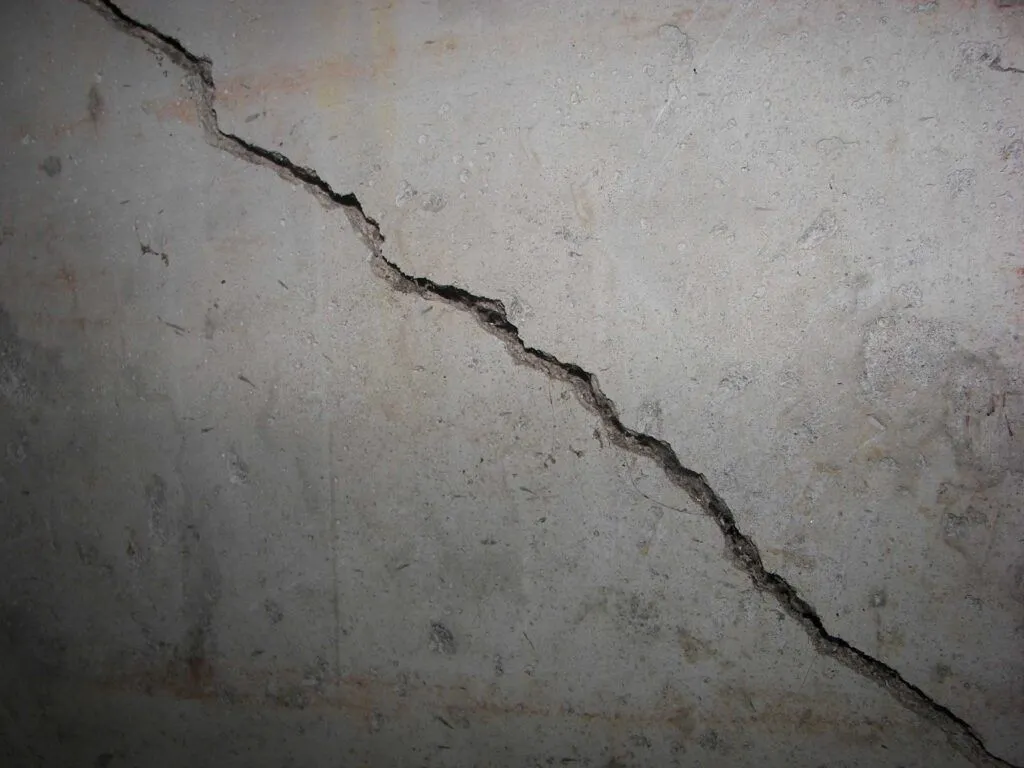
Many homeowners underestimate how easily rodents can enter a garage. Mice can squeeze through gaps as small as a coin, while rats need only slightly larger openings. Common access points include gaps beneath garage doors, cracks in walls, openings around pipes, vents, or damaged weather seals.
Garage Clutter often hides these entry points, allowing rodents to move in unnoticed.
Once inside, rodents tend to remain close to shelter and nesting material. A crowded garage gives them plenty of opportunities to stay concealed during the day and become active at night.
Signs of a Rodent Problem in the Garage
The earlier rodent activity is detected, the easier it is to manage. Common warning signs include droppings near walls or storage areas, scratching noises at night, gnawed cardboard boxes, shredded paper or fabric, and strong musty odours. You may also notice grease marks along walls where rodents repeatedly travel or signs of chewing on wiring and stored materials.
Unfortunately, heavy clutter can delay discovery because rodents remain hidden behind stacked items or inside storage containers.
Practical Ways to Reduce the Risk
Reducing garage clutter is one of the most effective ways to discourage rodent activity. Unused items should be removed regularly, and long-term storage should be organised carefully. Plastic sealed containers are much safer than cardboard boxes because they are harder for rodents to chew through and less useful for nesting.
Keeping items elevated off the floor also reduces hiding spots and makes inspections easier. Open shelving improves visibility and airflow compared to tightly packed piles of storage. Entry points should also be sealed properly. Gaps around garage doors, wall cracks, vents, and utility openings should be inspected regularly. Steel wool, weather stripping, and sealants are commonly recommended to block access points.
Good hygiene matters as well. Food sources, rubbish, and pet food should never be left exposed inside the garage.
When Professional Help May Be Necessary
If rodent activity continues despite cleaning and sealing efforts, professional rodent control may be necessary. Persistent infestations often indicate hidden nests inside walls, roof spaces, storage piles, or nearby outdoor areas.
Professional pest technicians can identify access points, assess infestation severity, and recommend appropriate treatment methods. Importantly, they can also help determine whether the garage conditions themselves are contributing to recurring problems. Without addressing clutter and shelter opportunities, rodent problems often return even after trapping or baiting.
Conclusion
Garage clutter creates the ideal environment for rodents by providing shelter, nesting materials, protection, and hidden access routes. What starts as simple storage overflow can quickly become a long-term pest issue if conditions are left unchecked.
Regular cleaning, organised storage, sealed entry points, and early inspection all play an important role in preventing infestations. The more concealed and undisturbed a garage becomes, the more attractive it is to rats and mice.
Keeping the garage organised is not only about appearance or storage efficiency. It is also one of the simplest ways to reduce the risk of serious rodent problems before they begin.
FAQs
1. Why do rodents prefer cluttered garages?
Garage Clutter provides hiding places, nesting material, warmth, and protection from disturbance, making garages highly attractive to rodents.
2. Can rodents damage vehicles stored in garages?
Yes. Rats and mice commonly chew wiring, insulation, and rubber components inside vehicles.
3. Are cardboard boxes bad for garage storage?
Cardboard boxes are attractive to rodents because they provide nesting material and are easy to chew through.
4. How can I tell if rodents are living in my garage?
Common signs include droppings, scratching noises, gnaw marks, shredded materials, urine smells, and damaged boxes.
5. What is the best way to store items in a garage?
Plastic sealed containers stored off the floor are safer and less attractive to rodents than cardboard boxes.
6. When should I consider professional pest control?
Professional help may be necessary if rodent activity continues despite cleaning, sealing entry points, and removing clutter.


 Umar Attique Shah