 alishanasir237@gmail.com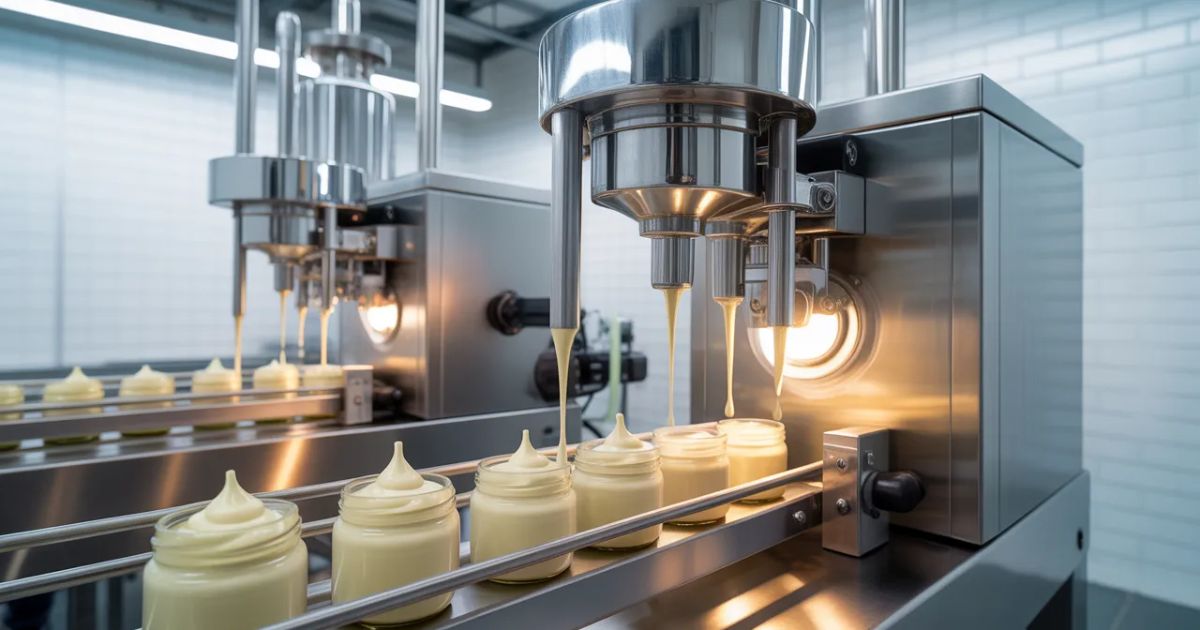
A mayonnaise filling machine is designed for one clear job: filling mayonnaise into bottles, jars, pouches, cups, or sachets with the right amount every time. That may sound simple, but mayonnaise is a thick and sensitive product. It does not flow like water, and it needs a filling system that can handle its texture without creating spills, air gaps, or messy packaging.
For food manufacturers, packaging quality matters almost as much as product taste. A pack that looks untidy or carries an uneven fill level can affect customer trust. That is why many brands now use a proper mayonnaise filling machine instead of relying on hand-filling or basic liquid fillers. It gives better control, faster work, and a cleaner finish on the production line.
What Is a Mayonnaise Filling Machine?
A mayonnaise filling machine is a packaging machine made for filling thick, creamy, and semi-viscous products into containers in measured quantities. It is commonly used in food factories that pack mayonnaise, sandwich spread, garlic mayo, flavored mayo, salad dressing, and other similar products.
Because mayonnaise has a dense and creamy structure, the machine must control product flow carefully. A standard thin-liquid filler often cannot do this well. A dedicated mayonnaise filling machine is better suited for viscous product handling, stable output, and neat container filling.
Why Mayonnaise Needs a Special Filling System
Mayonnaise is an emulsion-based product. Its texture can change if it is handled too roughly or pushed through the wrong filling setup. If the product is overworked or dispensed unevenly, the final pack may look poor or inconsistent on the shelf.
That is where the right filling machine becomes useful. It helps keep the packaging stage more stable and repeatable. Instead of random fill levels and wasted product, businesses get a more balanced process that supports quality control during production.
Key reasons manufacturers prefer this machine:
- Better control for thick products
- Cleaner filling with less dripping
- More uniform pack appearance
- Faster output than manual filling
- Lower product waste during packaging
How the Filling Process Works
The process usually starts when mayonnaise is transferred from a storage tank or mixing vessel into the machine hopper. From there, the product moves through the filling system and is dispensed into the chosen container. The amount is controlled based on the machine settings, so each pack receives nearly the same fill volume.
After filling, the containers move to the next stage, such as capping, sealing, labeling, or coding. In automatic lines, this process happens in one connected flow. A good mayonnaise filling machine keeps the product moving with less mess and better timing, which improves the daily production rhythm.
Common Types of Mayonnaise Filling Machines
Different businesses need different machine levels. A startup producing smaller batches may not need a high-speed automatic system, while a larger factory may need a fully integrated line.
Piston Filling Machine
This type is widely used for mayonnaise because it can handle thick products very well. It pushes the mayonnaise in a controlled way and helps keep the fill amount accurate. Piston fillers are popular where consistency matters and the product has a dense texture.
Pump Filling Machine
Pump fillers are often used when the product range includes different sauces and creamy foods. These machines can be flexible, especially when the business fills multiple product types in the same factory.
Semi-Automatic Filling Machine
A semi-automatic model is suitable for smaller operations. It still needs some operator support, but it is much more reliable than hand-filling. This option is often chosen by growing brands.
Automatic Filling Machine
An automatic machine is better for medium and large production units. It gives higher speed and works well with conveyors, cappers, and labeling units. This type suits companies that want smoother production with less labor involvement.
Packaging Formats It Can Handle
A mayonnaise filling machine can work with different packaging styles depending on the product and target market. Some businesses sell in retail bottles and jars, while others use pouches or food service packs.
Common packaging formats include:
- Plastic bottles
- Glass jars
- Stand-up pouches
- Sachets
- Cups and tubs
- Bulk containers for commercial supply
This flexibility helps manufacturers serve more than one market without needing a completely different filling setup for each product type.
Features to Look for Before Buying
Not every machine is a good fit for mayonnaise. The best choice depends on product thickness, container type, and daily production volume. Buyers should look at performance details instead of focusing only on the price.
Important features include a strong filling system, accurate volume control, food-grade construction, and easy cleaning access. Machines made with stainless steel are usually preferred because they are easier to maintain in food environments. A user-friendly control system also helps reduce operator mistakes during production.
Some features worth checking are:
- Adjustable filling volume
- Stainless steel contact parts
- Anti-drip nozzle design
- Smooth product transfer system
- Easy cleaning and maintenance access
- Compatibility with different container sizes
Benefits of Using a Mayonnaise Filling Machine
One of the biggest benefits is consistency. When every bottle or jar is filled at the correct level, the final product looks better and the brand appears more reliable. This also helps reduce product giveaway caused by overfilling.
Another clear benefit is hygiene. Manual filling brings more handling and more chances of spills around the filling area. A machine-based process gives a cleaner packaging stage and makes the line easier to manage.
A proper mayonnaise filling machine can help manufacturers achieve better production flow, cleaner packs, and more stable daily output. Over time, that also supports cost control and smoother factory operations.
Industries That Use This Machine
Although the main use is for mayonnaise packaging, these machines are also useful for other thick and creamy food products. That makes them a practical option for factories with mixed product lines.
They are often used in:
- Mayonnaise and sandwich spread manufacturing
- Sauce and condiment production
- Salad dressing packaging
- Garlic and flavored mayo filling
- Private label food packing units
This broader use adds more value to the machine, especially for companies that want flexibility in future production.
Cleaning and Maintenance
Cleaning is a serious part of food packaging. Since mayonnaise contains oil, egg-based ingredients, and emulsifiers, residue can remain inside the hopper, valves, and nozzles if the machine is not cleaned properly. That can affect hygiene and also disturb the next batch.
A machine with easy disassembly and accessible contact parts is much easier to maintain. Routine checks on seals, nozzles, pistons, and pumps also help reduce production stoppages. A clean machine usually performs better and lasts longer.
How to Choose the Right Machine
The right machine depends on practical questions. How thick is your mayonnaise? What type of containers do you use? How many units do you fill in a day? Will your business stay small, or do you plan to expand?
Before buying, focus on these points:
- Daily production target
- Type of packaging container
- Product viscosity
- Semi-automatic or automatic preference
- Cleaning requirements
- Future business growth
When these factors are clear, it becomes much easier to choose a mayonnaise filling machine that matches your production needs instead of slowing them down.
Final Thoughts
A mayonnaise filling machine is not just a packaging tool. It is a practical system for businesses that want clean filling, accurate portion control, and better packaging consistency. Since mayonnaise is a thick product, it needs equipment built for that texture and flow behavior.
For small brands, the machine helps reduce manual effort and improve pack appearance. For larger factories, it supports faster output and a more stable line. In both cases, the right filling machine can make packaging easier, cleaner, and more dependable.


 Umar Attique Shah