 alishanasir237@gmail.com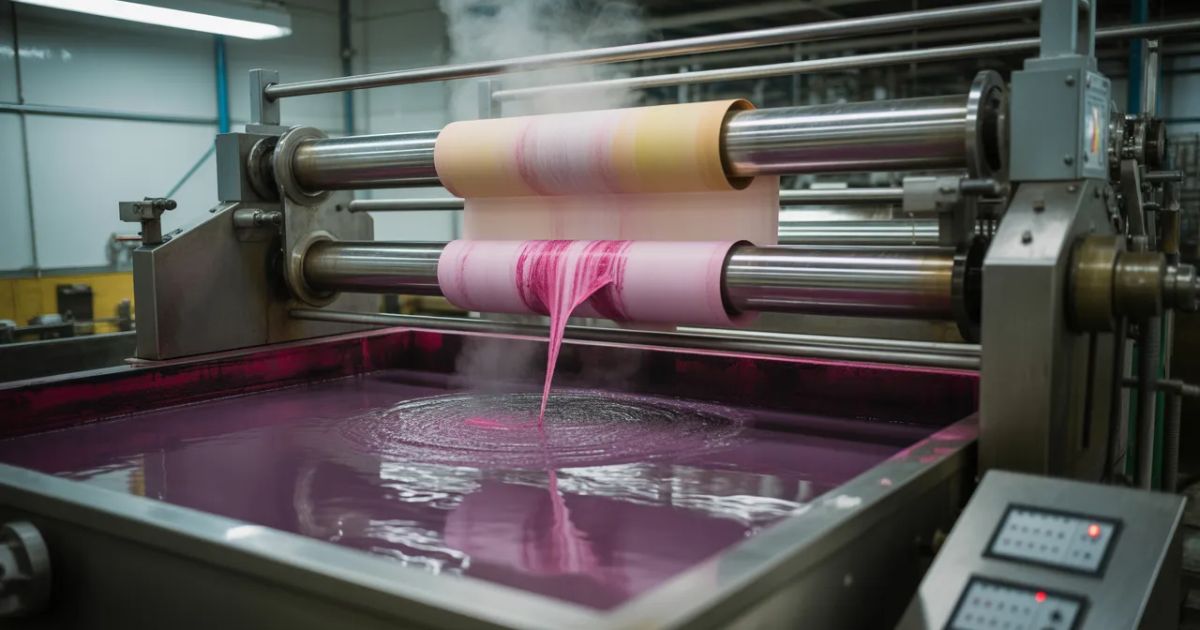
The textile industry has long relied on a variety of dyeing technologies to achieve the vivid, durable colors we see in finished fabrics. Among these, the jigger dyeing machine stands out as one of the most versatile and widely used pieces of equipment in both small-scale production and large industrial operations. If you are new to textile manufacturing or simply curious about how fabric gets its color, this guide will walk you through everything you need to know.
Understanding the basics
A jigger dyeing machine — sometimes called a jig dyeing machine or simply a jigger — is a piece of textile equipment designed to dye open-width fabric by passing it back and forth through a dye bath. Unlike rotary drum machines that tumble fabric in a closed vessel, a jigger holds the fabric in a flat, open-width configuration throughout the entire dyeing process. The fabric is wound onto one roller, passes through the dye liquor contained in a trough at the bottom, and is then wound onto a second roller on the opposite side. This complete pass from one roller to the other is called an “end.” Multiple ends are repeated until the desired depth of shade is achieved.
This method of dyeing is particularly beneficial for woven fabrics and heavy materials that would crease or suffer structural damage inside a rotary drum machine. Because the cloth remains open and under controlled tension throughout the cycle, the final product exhibits excellent color levelness and dimensional stability.
Key components of a Jigger Dyeing Machine
While designs vary by manufacturer, most jigger dyeing machines share the following core components:
- Fabric rollers: Two motorized rollers, one on each side of the machine, that alternately wind and unwind the cloth during each pass.
- Dye trough: The vessel holding the dye liquor through which the fabric passes. In high-temperature models, this trough is pressurized to allow temperatures above 100 °C.
- Guide rollers: Smaller rollers that keep the fabric properly aligned and tensioned as it moves through the bath.
- Circulation pump: Continuously moves the dye liquor to ensure even distribution of dye and consistent temperature throughout the trough.
- Heating system: Most modern jiggers use direct steam injection or indirect heating coils to raise the temperature of the dye bath.
- Control panel: Modern machines feature digital or PLC-based controls for programming temperature, speed, tension, and the number of ends required.
High-temperature versus atmospheric jiggers
One of the most important distinctions when choosing a jigger dyeing machine is whether you need an atmospheric or a high-temperature model. Atmospheric jiggers operate at or below 100 °C and are suitable for natural fibers such as cotton, linen, and silk, where dyeing can be achieved at lower temperatures. High-temperature jigger dyeing machines, such as those in the JRHC series available from FYI Tester, operate at temperatures up to 130 °C under a pressure of 0.3 MPa. This makes them ideal for dyeing synthetic fibers like polyester, where the dye molecules need elevated heat and pressure to penetrate the tightly packed fiber structure.
The ability to dye polyester at high temperature without damaging the fabric is a significant advantage. Disperse dyes, which are used for polyester, require temperatures well above 100 °C for proper exhaustion and fixation. A high-temperature jigger makes this possible in an open-width format, preserving fabric quality while ensuring excellent color depth.
Advantages of the jigger dyeing process
The jigger dyeing process offers several practical advantages that make it a preferred choice in many textile facilities:
- Low liquor ratio: Jigger machines typically operate at a liquor ratio of around 1:2 to 1:5, meaning far less water and chemicals are required compared to jet dyeing. This translates directly into cost savings and reduced environmental impact.
- Open-width dyeing: Because the fabric passes through flat rather than being stuffed into a tube, there is no risk of rope marks, creases, or distortion. This is especially important for woven fabrics with tight constructions.
- Versatility: Jiggers can handle a wide range of fabric widths and weights, and some models accommodate batch diameters up to 1,400 mm or more, allowing large production runs without interruption.
- Color consistency: The controlled tension and efficient liquor circulation ensure even dye penetration from selvage to selvage and from the beginning to the end of a roll.
- Ease of operation: With modern PLC controls and intuitive interfaces, operators can set precise dyeing programs that run automatically, reducing the chance of human error.
Common applications
Jigger dyeing machines are used across a wide spectrum of textile products. Denim fabric, shirting, suiting, technical textiles, and upholstery fabrics are among the most common materials processed on jiggers. The open-width format makes them particularly popular for heavy woven materials that would otherwise be difficult to process uniformly. In mills that produce narrow fabrics or specialized technical textiles, smaller jigger models offer the same fundamental benefits at a reduced footprint.
Choosing the right machine
When selecting a jigger dyeing machine, consider the fiber types you will be processing, the fabric widths you handle, and whether you need high-temperature capability. For polyester-heavy production, a high-temperature model is essential. Pay close attention to the construction materials as well — all surfaces in contact with dye liquor should be made from corrosion-resistant stainless steel, typically SUS304, to ensure long service life and prevent contamination of the dye bath.
For facilities looking for reliable, well-engineered equipment, the high-temperature jigger dyeing machine JRHC series from FYI Tester offers a well-rounded solution that covers roller widths from 1,600 mm to 3,600 mm, with speed control up to 120 m/min and an optimal liquor ratio of 1:2.
Final thoughts
The jigger dyeing machine remains a cornerstone of the textile dyeing industry for good reason. Its combination of open-width processing, low water consumption, and adaptability to different fiber types and dyestuff systems makes it a practical and cost-effective investment. Whether you are setting up a new dyeing operation or upgrading aging equipment, understanding how a jigger works — and what to look for in a quality machine — is the first step toward achieving consistently excellent results.


 Umar Attique Shah