
 alishanasir237@gmail.com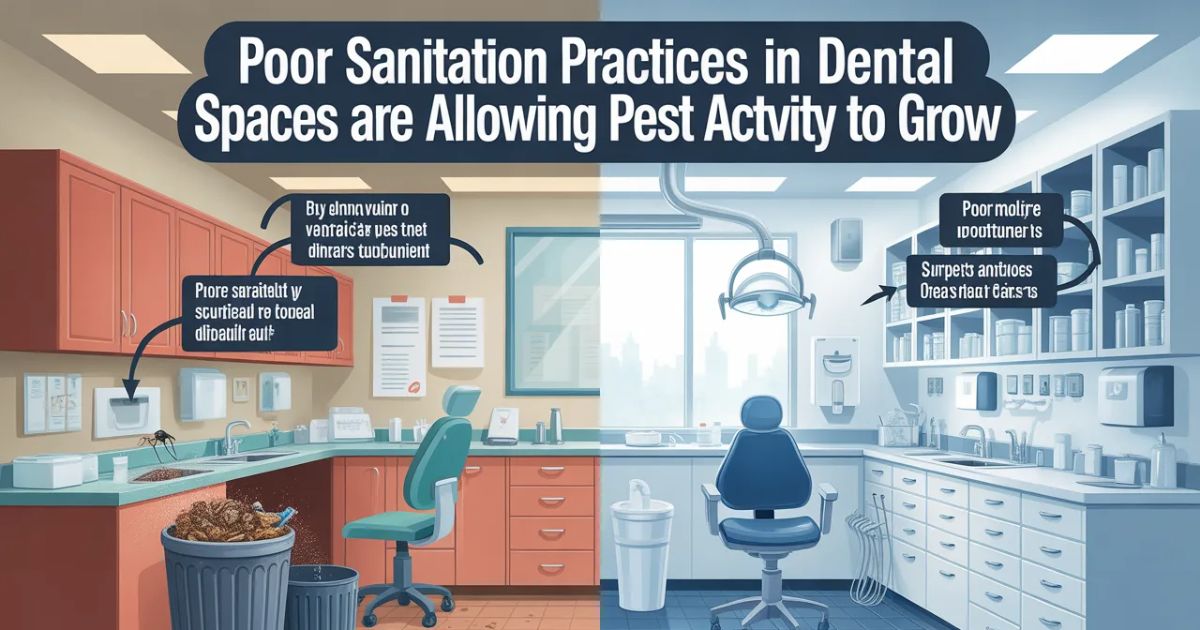
Most patients assume that a dental clinic is one of the cleanest environments they will enter. Sterilized tools, spotless surfaces, and strict hygiene protocols create a strong sense of safety. However, the reality behind the scenes can be different. Even when a patient searches for a dentist near me, they rarely consider what happens in operational areas that are not visible during an appointment. Small sanitation gaps, particularly in hidden or less frequently cleaned spaces, can allow pest activity to develop over time. These issues are not always obvious, but they can gradually compromise the overall hygiene of the clinic if left unaddressed.
What Poor Sanitation Looks Like in Dental Spaces
Poor sanitation in dental environments does not always mean visible dirt or neglect. In many cases, it is subtle and linked to incomplete routines. Daily cleaning may focus on high-touch surfaces such as chairs, trays, and instruments, while less obvious areas receive limited attention. This is something a thorough local dental clinic will typically address through layered cleaning protocols rather than surface-level wipe-downs alone.
Residue build-up can occur in hidden locations. This includes under equipment, along the edges of cabinetry, and around plumbing fixtures. Even small traces of organic material can accumulate over time if these areas are not consistently cleaned.
Inconsistency in cleaning practices is another issue. Busy schedules, staff changes, or time constraints can lead to missed steps in sanitation procedures. When routines are not followed thoroughly, gaps begin to form. These gaps may seem minor but can create the exact conditions that pests rely on for survival.
How Sanitation Gaps Attract Pests
Pests are not drawn to visible mess alone. They are attracted to three basic factors: food, moisture, and shelter. Dental spaces can unintentionally provide all three. Food sources may come from unexpected places. Small organic residues from procedures, staff meals, or waste materials can attract pests. Even microscopic particles are enough to sustain certain insects.
Moisture is another major factor. Dental procedures involve constant use of water, creating damp conditions around sinks, drainage systems, and equipment. Cockroaches and flies, for example, thrive in warm and moist environments and are commonly found in such settings.
Warm indoor conditions further support pest activity. Clinics maintain stable temperatures for patient comfort, which also creates an ideal environment for pests to survive and reproduce. When sanitation gaps exist alongside these conditions, pest activity can increase quickly.
Common Areas Where Sanitation Is Overlooked
Certain areas in dental clinics are more likely to be missed during routine cleaning, and these locations often become the starting point for pest activity. Under dental chairs is one such area. These spaces are difficult to access and may collect debris over time. Because they are not immediately visible, they are often cleaned far less frequently.
Behind cabinetry and storage units is another common problem zone. These areas can trap dust, moisture, and organic matter, creating a suitable environment for pests to hide and breed. Waste disposal zones are particularly high-risk. Even when bins are emptied regularly, residue inside or around them can attract pests. If waste areas are not thoroughly cleaned and sealed, they become a consistent source of attraction.
Pests are also known to enter through drains, cracks, and small openings in buildings, using these hidden pathways to access food and shelter. Once inside, they tend to remain in areas that are rarely disturbed.
Risks of Growing Pest Activity in Clinics
The presence of pests in dental environments is more than an inconvenience. It directly affects hygiene and safety. Pests such as cockroaches, rodents, and flies can carry bacteria and spread pathogens across surfaces and equipment.
This creates a real risk of contamination in spaces that require strict infection control. Even indirect contact can compromise sterile conditions, particularly in treatment areas where procedures are performed.
There are also health concerns for patients and staff. Pest-related allergens and microbial exposure can trigger respiratory issues or allergic reactions in sensitive individuals. Beyond direct health risks, pest activity can affect patient trust. A single sighting can change how patients perceive the clinic’s hygiene standards. In a setting where cleanliness is expected, even minor issues can have significant reputational consequences. Compliance with health regulations may also be affected if pest problems are not properly managed.
Why Preventive Pest Control Is Necessary
Addressing sanitation gaps alone is not always enough. A structured approach that includes a pest control near me search often becomes necessary when clinics recognise recurring issues. Preventive pest management focuses on identifying risks before they develop into visible infestations.
Routine pest inspections play a key role. They target hidden areas such as wall cavities, drainage systems, and under-equipment spaces where pests are likely to hide. Ongoing monitoring allows early detection, which reduces the chance of a widespread infestation taking hold.
Preventive strategies also involve identifying sanitation gaps and correcting them. This may include improving cleaning protocols, sealing entry points, and managing moisture levels. Providers such as Sherlock typically work within this preventive framework, focusing on long-term management rather than reactive treatment. The goal is not just to remove pests but to eliminate the conditions that allow them to return.
This approach is particularly important in dental environments, where maintaining consistent hygiene standards is essential to safe practice.
Conclusion
Dental clinics are expected to maintain the highest levels of cleanliness, but even small sanitation gaps can lead to significant pest problems. These issues often develop in hidden areas and remain unnoticed until they begin to affect the environment. Pests are drawn to moisture, food residue, and shelter, all of which can exist even in well-maintained spaces. Addressing these risks requires more than routine cleaning. Consistent sanitation, regular inspections, and preventive strategies are essential to maintaining a safe and hygienic clinical setting.
FAQs
1. Can poor sanitation lead to pest problems in clinics? Yes. Even small sanitation gaps can provide food and shelter for pests, allowing infestations to develop over time.
2. What areas are commonly missed during cleaning? Under dental chairs, behind cabinets, and waste disposal zones are often overlooked.
3. How do pests enter dental spaces? They can enter through drains, cracks, or doorways, or be carried in on equipment and personal belongings.
4. How often should sanitation checks be done? Regular daily cleaning should be supported by deeper inspections on a scheduled basis.
5. Is pest control necessary even in clean clinics? Yes, because pests can exist in hidden areas that are not affected by routine cleaning.6. What is the best way to prevent pest activity? Consistent sanitation, sealing entry points, moisture control, and preventive pest management strategies are the most effective approach.


 Sky Bloom