 Sky Bloom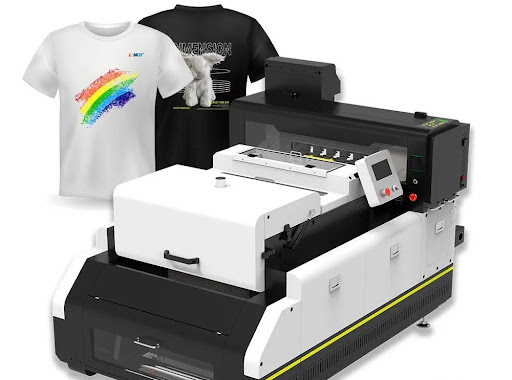
A3 DTF printers are becoming very popular among people who want to create custom t-shirts, hoodies, and other apparel from home or in small shops. These machines offer a great balance of size, cost, and performance. If you are thinking about starting a custom printing business or making personalized gifts, an A3 DTF printer could be the right choice. This article explains everything you need to know in simple terms.
What Is an A3 DTF Printer?
DTF stands for Direct to Film. An A3 DTF printer prints your designs onto a special film instead of directly onto the fabric. After printing, you add adhesive powder, cure it, and then heat press the design onto clothes.
The “A3” part refers to the print size. A3 is roughly 11.7 by 16.5 inches (297 x 420 mm). This size is bigger than A4 but smaller than larger industrial models. It lets you print full adult-size designs on one sheet without too much waste.
These printers are compact enough for small workspaces but powerful enough for real business use. They work well for t-shirts, hoodies, tote bags, and more.
How A3 DTF Printers Work
The process is simple and straightforward. First, you prepare your design on a computer. You send it to the printer, which prints the image in full color onto DTF transfer film using special DTF inks.
Next, you spread hot-melt adhesive powder over the wet ink. Shake off the extra powder and use heat to cure the film. This step makes the design ready to transfer.
Then you cut around the design (or print multiple designs together), place it on the garment, and press it with a heat press machine. After cooling, you peel the film away, and the design stays on the fabric. The result is a bright, durable print that feels soft and lasts through many washes.
Most A3 DTF printers include white ink so you can print on both light and dark fabrics with excellent color results.
Main Benefits of Choosing A3 Size
The A3 size gives you several practical advantages. It is large enough to print most standard adult t-shirt designs in one pass. You can also print multiple smaller designs on one sheet to save time and materials.
Compared to smaller A4 printers, A3 models reduce the need to piece designs together. This means fewer seams and better-looking prints. At the same time, A3 printers are much more affordable and easier to fit in a home or small studio than bigger 60cm or 1.6m roll-to-roll machines.
They use less power and take up less space, making them perfect for beginners and small businesses. You can start with lower investment while still producing professional-quality custom apparel.
Key Features to Look For
When shopping for an A3 DTF printer, pay attention to these important features:
- Print quality and resolution: Look for at least 1440 dpi for sharp details and smooth colors.
- White ink circulation system: This prevents white ink from clogging, which is a common issue.
- Easy-to-use software: Good RIP software makes color management and printing simpler.
- Print speed: Faster models help when you have more orders.
- Reliability and support: Stable machines with good customer help save time and frustration.
Some models also come with automatic powder shaking systems or built-in heaters to make the workflow smoother.
One popular option for many starters is the LINKO L-A3 DTF Printer. It offers a good mix of features, size, and price for small business needs.
Who Should Buy an A3 DTF Printer?
A3 DTF printers are ideal for several types of users:
- Home-based creators who want to sell custom shirts online
- Small print shops that handle short runs and personalized orders
- Schools, clubs, and teams that need custom apparel in small quantities
- People starting a side hustle with custom merch for events or brands
If you print fewer than 100-200 items per day, an A3 model is usually the smartest choice. It gives you professional results without the high cost and space needs of larger equipment.
Setting Up Your A3 DTF Printer
Setting up is easier than most people expect. You need a clean, well-ventilated workspace, a computer, a heat press, and a flat table. Most printers connect via USB or Wi-Fi.
Follow the manufacturer instructions for ink loading and initial print head cleaning. Run a few test prints to learn how the machine handles different designs. Watch free tutorial videos online — many users share their exact workflow.
Expect a short learning period of a few days to a week. After that, you will be able to produce finished shirts quickly.
Check out more machines, supplies, and guides at https://www.dtflinko.com/ if you want to explore different options.
A3 vs Other DTF Printer Sizes
A4 printers are cheaper and smaller but limit design size and require more film piecing for large prints. Larger 60cm printers are great for high-volume production but cost more, need more space, and use more materials.
A3 sits right in the middle. It offers enough size for most jobs while keeping costs and space requirements low. Many successful small businesses start with A3 and upgrade only when daily orders grow significantly.
Pros and Cons of A3 DTF Printers
Pros:
- Affordable entry price
- Good print size for most custom apparel
- Easy to operate in small spaces
- Excellent color and durability on many fabrics
- Low waste compared to screen printing
- Fast turnaround for custom orders
Cons:
- Not ideal for very large daily volumes
- Requires regular maintenance (especially white ink system)
- Learning curve for powder application and heat pressing
- Print speed is slower than industrial machines
For most users, the pros far outweigh the cons, especially when starting out.
Common Questions About A3 DTF Printers
How long do prints last? With proper application, DTF prints can last 50+ washes without major fading or cracking.
Can I print on any fabric? Yes. It works great on cotton, polyester, blends, hoodies, and even some non-fabric items like bags.
What is the cost per print? For A3 size, ink and film usually cost between $1 to $3 per design depending on coverage and supplier.
Do I need a lot of experience? No. Many people with no printing background learn to use these machines successfully within weeks.
Tips for Best Results
Always use high-quality DTF ink, film, and powder. Keep your printer in a temperature-controlled room. Clean print heads regularly. Test your heat press temperature and time on each fabric type. Store unused film and prints away from dust and moisture.
Start with simple designs and gradually move to more complex ones as you gain confidence.
The Future of A3 DTF Printing
A3 DTF printers are getting better every year. Manufacturers continue to improve speed, ease of use, and ink reliability. More people are discovering how easy it is to start a custom apparel business with this technology.
As demand for personalized clothing grows, A3 DTF printers will remain a top choice for small and medium businesses. They make custom printing accessible to more people than ever before.
Final Thoughts
An A3 DTF printer is a practical and powerful tool for anyone interested in custom apparel. It offers the right size, quality, and cost for most small operations. Whether you want to start a business, make gifts, or create your own clothing line, these machines deliver excellent results without complicated setups.
Take time to research, choose reliable equipment, and practice the full process. With a bit of effort, you can produce professional custom products that customers love.
If you are ready to begin, explore different models and start small. The custom printing world is growing fast, and A3 DTF printers are making it easier for regular people to join in.

 Umar Attique Shah