
 alishanasir237@gmail.com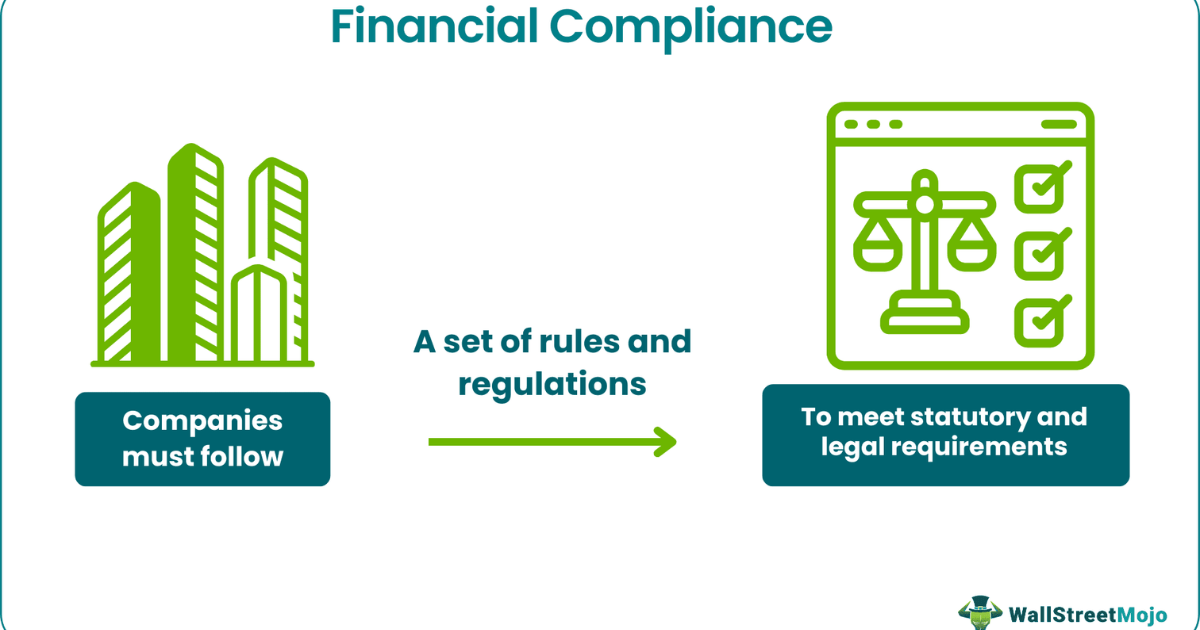
Financial compliance is a critical responsibility for organizations of all sizes. Businesses must ensure that financial activities follow internal policies, industry regulations, and legal requirements. However, managing compliance approvals manually can be time-consuming and prone to errors. Organizations are increasingly adopting workflow automation solutions like Cflow to streamline approval processes and improve compliance management.
A well-designed Financial Compliance Approval Workflow helps businesses maintain transparency, reduce risks, and ensure that financial decisions meet regulatory standards. By automating compliance approvals, organizations can improve efficiency while strengthening governance and accountability.
Understanding Financial Compliance Approval Workflows
A financial compliance approval workflow is a structured process that ensures financial transactions, requests, and decisions are reviewed and approved according to company policies and regulatory requirements.
The workflow establishes clear approval paths for activities such as:
- Budget approvals
- Expense approvals
- Vendor payments
- Procurement requests
- Contract approvals
- Financial audits
- Policy exception requests
- Investment approvals
The primary goal of the workflow is to ensure that financial activities are properly reviewed before execution, reducing the risk of fraud, non-compliance, and financial losses.
Why Financial Compliance Matters
Organizations operate in highly regulated environments where compliance failures can lead to significant consequences. Financial compliance helps businesses maintain operational integrity and protect their reputation.
Reduces Regulatory Risks
Compliance workflows help ensure that financial activities align with industry regulations and government requirements.
Prevents Fraud and Misuse
Multiple approval levels and audit trails make it more difficult for unauthorized transactions to occur.
Improves Financial Transparency
Structured approval processes provide visibility into financial decisions and spending activities.
Supports Audits
Accurate records and approval histories simplify internal and external audits.
Strengthens Corporate Governance
Compliance workflows establish accountability by clearly defining roles and responsibilities.
Challenges of Manual Compliance Approval Processes
Many organizations still rely on emails, spreadsheets, and paper-based approvals to manage compliance requirements. These manual processes often create several challenges.
Approval Delays
Financial requests may sit in inboxes waiting for review, slowing business operations and decision-making.
Limited Visibility
Tracking the status of approvals across multiple departments can become difficult and time-consuming.
Human Errors
Manual data entry increases the likelihood of mistakes, missing information, and incomplete documentation.
Inconsistent Processes
Without standardized workflows, different departments may follow different approval practices, creating compliance gaps.
Audit Difficulties
Locating documents and approval records during audits can be challenging when records are stored in multiple systems.
Benefits of Workflow Automation for Financial Compliance
Faster Approvals
Automated workflows reduce approval cycle times by instantly routing requests to the correct stakeholders.
Improved Accuracy
Automation eliminates many manual processes, reducing data entry errors and compliance violations.
Better Visibility
Finance teams gain real-time visibility into approval status, spending trends, and compliance activities.
Enhanced Accountability
Clear approval records ensure that every decision is documented and traceable.
Simplified Audits
Comprehensive audit trails and centralized records make audit preparation significantly easier.
Greater Scalability
As organizations grow, automated workflows can handle increased approval volumes without adding administrative complexity.
Best Practices for Maintaining Compliance Workflows
To maximize effectiveness, organizations should regularly review and improve their compliance workflows.
Review Approval Policies Periodically
Regulations and business requirements change over time. Regular policy reviews help maintain compliance.
Train Employees
Ensure employees understand approval procedures and compliance responsibilities.
Monitor Workflow Performance
Track approval times, compliance metrics, and workflow efficiency to identify areas for improvement.
Maintain Strong Security Controls
Protect financial data through role-based access controls and secure document management practices.
Continuously Optimize Processes
Use workflow analytics to identify bottlenecks and improve overall process efficiency.
Conclusion
An effective financial compliance approval workflow is essential for managing risk, maintaining regulatory compliance, and ensuring financial accountability. Manual approval processes often create delays, errors, and compliance challenges that can negatively impact business operations.
By implementing automated compliance workflows, organizations can improve efficiency, strengthen governance, enhance transparency, and simplify audits. A structured approach to financial compliance approvals not only reduces risk but also supports long-term business growth and operational excellence. As compliance requirements continue to evolve, workflow automation provides organizations with the flexibility and control needed to manage financial processes confidently and efficiently.