
 Umar Attique Shah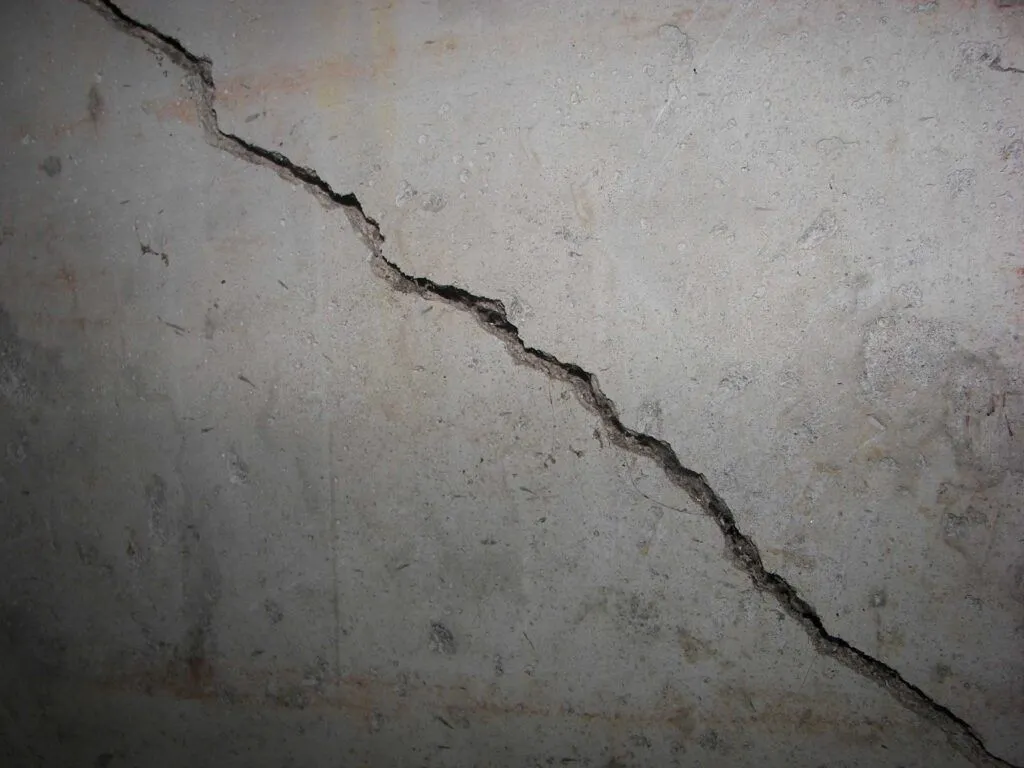
A small crack in a foundation wall may appear harmless, especially when it develops gradually. However, cracks can reveal important information about settlement, soil movement, moisture exposure, or structural stress. Understanding when foundation wall crack repair is necessary helps homeowners respond appropriately instead of waiting for visible damage to spread. Early investigation can distinguish minor surface defects from conditions requiring more extensive structural attention.
Why Do Foundation Walls Develop Cracks?
Foundation walls support a building while resisting pressure from surrounding soil. Over time, several factors can affect their condition.
Concrete shrinkage, temperature fluctuations, changing soil moisture, and foundation settlement may all contribute to cracking.
Some cracks remain stable and primarily affect water resistance. Others indicate continuing movement or excessive pressure.
Successful foundation wall crack repair begins by understanding these differences.
What Crack Patterns Can Reveal
Crack direction, width, location, and movement provide clues about possible causes.
Vertical Cracks
Vertical cracks frequently develop because of concrete shrinkage or limited foundation movement.
Although some are relatively minor, they may still allow groundwater to enter a basement.
Horizontal Cracks
Horizontal cracking can indicate significant lateral pressure against foundation walls.
These cracks deserve prompt evaluation, particularly when accompanied by bowing, displacement, or wall movement.
Stair-Step Cracks
Stair-step cracking commonly appears along mortar joints in masonry foundations.
It may result from differential settlement or movement affecting sections of the foundation.
The pattern alone does not establish the cause. A proper assessment remains necessary.
When Is Foundation Wall Crack Repair Urgent?
Not every visible crack represents an immediate structural emergency, but certain warning signs require timely attention.
Homeowners should be particularly concerned about cracks that widen noticeably, walls that bulge inward, or cracks accompanied by significant displacement.
Doors and windows suddenly becoming difficult to operate may also indicate building movement, especially when multiple symptoms appear together.
Active water infiltration is another reason to investigate foundation damage.
Where structural stability is uncertain, foundation wall crack repair should follow an assessment by a suitably qualified structural professional.
How Foundation Cracks Are Evaluated
A useful inspection goes beyond measuring the visible opening.
The surrounding wall condition, crack orientation, moisture exposure, and evidence of previous repairs should be examined.
Inspectors may also consider exterior grading, soil pressure, nearby drainage, and the building’s settlement history.
Monitoring Crack Movement
Some cracks require observation over time to determine whether movement is continuing.
Measurements and dated photographs can help document changes.
However, monitoring should not delay immediate evaluation when significant displacement or instability is evident.
Identifying Water Entry
Water stains, mineral deposits, and damp surfaces may indicate that a crack provides a pathway for groundwater.
In these situations, foundation wall crack repair must address water resistance as well as the condition of the wall.
Common Approaches to Crack Repair
Repair methods vary according to crack characteristics and structural requirements.
For suitable stable concrete cracks, resin injection may help seal water-entry pathways.
Structural epoxy injection may be considered in certain conditions where restoring continuity is appropriate.
Other situations may require reinforcement, drainage improvements, or more extensive foundation stabilization.
No single technique works for every crack.
The objective of foundation wall crack repair is to address the cause and condition of the damage rather than merely improve its appearance.
Mistakes Homeowners Should Avoid
One common mistake is covering a crack with paint or finishing materials before investigating its cause.
Another is assuming that every crack can be repaired using the same sealing compound.
Ignoring exterior drainage can also allow water pressure to continue affecting the repaired area.
For recurring or changing cracks, guidance from experienced foundation repair professionals can help homeowners understand appropriate next steps.
Protecting Foundation Walls Over Time
Preventive maintenance reduces some of the conditions that contribute to foundation deterioration.
Maintain effective surface drainage, monitor basement humidity, and inspect visible foundation surfaces periodically.
Avoid directing concentrated roof runoff toward the building.
After repairs, continue observing the affected area for renewed cracking or moisture.
Conclusion
Foundation cracks should be evaluated according to their cause, location, movement, and effect on the surrounding structure. Some defects require straightforward sealing, while others demand detailed structural investigation. Timely foundation wall crack repair helps limit water infiltration, address developing damage, and preserve the long-term condition of a home’s foundation. Careful diagnosis remains the most important step toward achieving a durable result.



 alishanasir237@gmail.com