 alishanasir237@gmail.com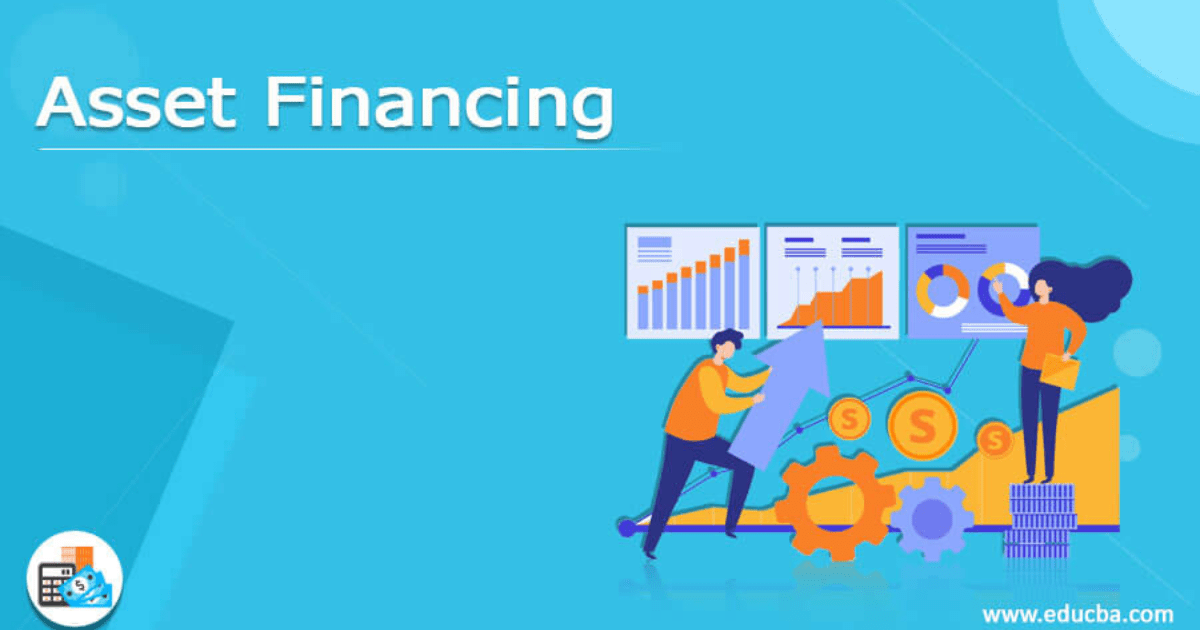
Running a business often feels like a constant balancing act. You need the right tools to deliver your product or service, but you also need to keep enough cash in the bank to handle everyday expenses like wages, rent, fuel, and unexpected costs. For many business owners, the biggest challenge isn’t finding opportunities—it’s having the resources to act on them at the right time.
This is where asset finance comes in. It’s a practical funding option that helps businesses access the equipment they need without draining their cash reserves. Whether it’s a construction company needing a new excavator, a café upgrading its coffee machine, or a delivery business expanding its fleet of vans, asset finance makes growth more achievable and less financially stressful.
At its core, it’s not just about borrowing money. It’s about giving businesses breathing room—so they can invest in productivity today while maintaining financial stability for tomorrow.
Understanding Asset Finance in Everyday Terms
Asset finance might sound technical, but the idea behind it is surprisingly simple. Instead of paying the full cost of an expensive item upfront, a business spreads the cost over time through regular payments. The asset itself—such as a vehicle, machine, or piece of equipment—usually serves as security for the arrangement.
Think of it like this: imagine a small bakery that wants to buy a commercial oven. A high-quality oven could cost tens of thousands, which might wipe out their savings if paid upfront. With asset finance, they can get the oven immediately, start using it to produce more baked goods, and pay it off gradually using the income generated from increased sales.
This approach is common across many industries. A landscaping company might finance a new truck, a logistics business might upgrade its delivery fleet, and a medical clinic might invest in advanced diagnostic equipment. The key idea is simple—use the asset now, pay for it over time, and let the asset help generate the income that covers its own cost.
Instead of waiting years to save enough cash, businesses can move forward when opportunity strikes.
Why Equipment Access Can Be a Growth Turning Point
For many small and medium-sized businesses, growth is directly tied to equipment. Better tools often mean faster work, higher-quality output, and the ability to take on more clients or bigger contracts. But the cost of equipment can easily become a barrier.
Take a construction business as an example. If they land a major project but don’t have the right machinery, they may need to rent equipment at a high daily rate or even turn down the job. Both options can limit profitability and growth. With asset finance, they can acquire the machinery they need and keep it long-term, turning one opportunity into ongoing capacity.
The same applies to transport companies. A delivery service with only a few vans may struggle during peak seasons. Financing additional vehicles allows them to expand quickly when demand rises, rather than missing out on contracts due to limited capacity.
Even in everyday service industries, equipment plays a major role. A hair salon upgrading to modern styling chairs and tools can serve clients faster and more comfortably, increasing turnover without necessarily increasing operating hours.
The real advantage here is timing. Business opportunities don’t always wait for savings to accumulate. Asset finance helps bridge that gap between “we could grow” and “we are ready to grow.”
Cash Flow Flexibility and Real-World Impact
One of the most overlooked benefits of asset finance is how it protects cash flow. Cash flow simply refers to the money moving in and out of a business. Even profitable businesses can run into trouble if too much money is tied up in big one-time purchases.
Imagine a food truck operator preparing for a busy festival season. They could spend all their savings on a new generator, upgraded cooking equipment, and a refrigerated storage unit. But if something unexpected happens—like a vehicle repair or a slow sales week—they might suddenly struggle to cover basic expenses.
Asset finance helps reduce that pressure by spreading costs into predictable payments. Instead of one large hit, the business has manageable monthly outgoings. This makes budgeting easier and reduces financial stress.
Let’s look at a few real-world scenarios:
A farming business might finance irrigation equipment ahead of a dry season, improving crop yield without sacrificing cash needed for seeds and labor.
A warehouse operation could upgrade forklifts and shelving systems, increasing efficiency and order capacity while still maintaining funds for staffing and logistics.
A photography studio might invest in new cameras and lighting gear, allowing them to take on higher-paying commercial work without waiting years to save up.
In each case, the business isn’t just buying equipment—it’s buying time, flexibility, and opportunity.
And when structured well, asset finance can align repayments with income cycles. That means businesses can often pay more during busy periods and ease pressure during slower months, making the arrangement even more adaptable to real-life conditions.
This is where structured solutions like asset finance by diverse funding solutions become especially useful, as they are designed to match funding options with different business needs and industries, helping owners stay flexible while still moving forward.
Turning Equipment Into Long-Term Business Value
Beyond immediate access and cash flow benefits, asset finance also plays a role in long-term business growth. Equipment purchased through financing isn’t just a short-term fix—it becomes a long-term asset that continues to generate value.
For example, a logistics company that finances a fleet of trucks isn’t just improving delivery capacity today. Over time, those vehicles help build stronger client relationships, support larger contracts, and increase overall revenue potential. The initial financing decision can reshape the entire direction of the business.
Another often overlooked benefit is preservation of capital. When businesses don’t spend all their savings upfront, they retain flexibility to respond to opportunities or challenges. That might mean launching a marketing campaign, hiring additional staff, or covering unexpected repairs without needing emergency borrowing.
There’s also a strategic advantage. Businesses that can upgrade equipment regularly tend to stay competitive. Outdated tools can slow operations and reduce quality, while modern equipment can improve speed, efficiency, and customer satisfaction.
In a way, asset finance isn’t just about affordability—it’s about momentum. It helps businesses keep moving, improving, and adapting without being held back by upfront costs.
Final Thoughts
At its heart, asset finance is about removing friction from growth. Instead of delaying important investments or draining cash reserves, businesses can access what they need now and pay over time in a structured, manageable way.
It supports smarter cash flow management, enables faster scaling, and opens doors to opportunities that might otherwise be out of reach. From small service providers to large operational businesses, the principle remains the same: the right equipment at the right time can change everything.
When used thoughtfully, asset finance becomes more than a funding tool—it becomes a practical strategy for building stability while still pushing forward.