 Sky Bloom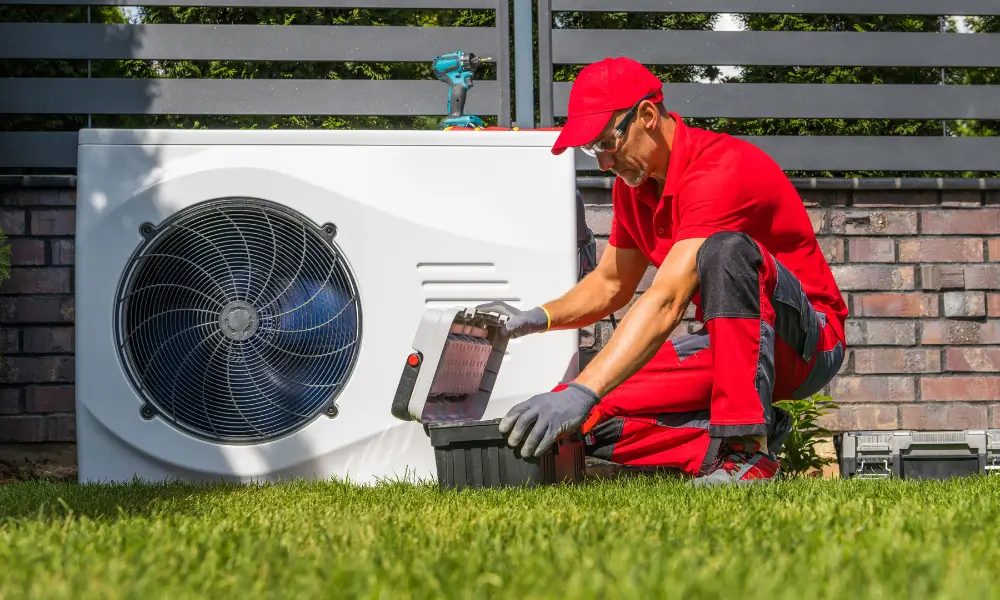
Heat pumps provide both heating and cooling, so their performance affects home comfort year-round. Because they move heat rather than generate it directly, they depend on balanced airflow, clean coils, accurate refrigerant levels, reliable controls, and proper system setup. When any part is dirty, worn, or poorly adjusted, the unit may struggle to heat in winter or cool in summer. HVAC services help keep heat pumps operating efficiently by inspecting components, correcting performance problems, and preparing the system for changing seasonal demands. With regular care, homeowners can enjoy steadier comfort and lower energy waste.
Heat Pump Performance Basics
- Checking Airflow and Indoor Comfort Balance
Airflow is one of the most important factors in heat pump performance. If air cannot move freely through the system, the heat pump must work harder to condition the home, leading to longer run times, uneven temperatures, and higher energy use. HVAC services help by checking filters, blower motors, return vents, supply registers, ducts, and indoor coils. A clogged filter or dirty coil may seem minor, but it can reduce heat transfer and make the system less effective in both heating and cooling modes. A qualified HVAC contractor can also identify duct leaks, poor return airflow, or closed vents that prevent proper circulation. Balanced airflow ensures conditioned air reaches each room more evenly and helps the heat pump maintain the thermostat setting with less strain. This improves comfort while reducing pressure on motors, compressors, and electrical components during heavy seasonal use.
- Maintaining Refrigerant Levels and Heat Transfer
A heat pump relies on refrigerant to move heat between the indoors and outdoors. If the refrigerant charge is too low, too high, or affected by a leak, the system cannot transfer heat properly. During winter, it may struggle to pull heat from the outdoor air. During summer, it may fail to remove enough heat from the home. HVAC services include checking refrigerant pressure, inspecting coils, looking for leaks, and confirming that the system is operating within manufacturer guidelines. This process is important because refrigerant problems can cause frozen coils, weak heating, poor cooling, and compressor damage. Technicians also clean indoor and outdoor coils so heat can move efficiently across their surfaces. When refrigerant and coil conditions are correct, the heat pump can operate with better energy performance and steadier output. Proper heat transfer reduces unnecessary run time and helps protect the most costly parts of the system.
- Calibrating Controls and Thermostat Settings
Heat pumps depend on accurate controls to switch between heating, cooling, defrost, and auxiliary heat when needed. If the thermostat is misreading indoor temperature or the settings are not matched to the system, the heat pump may cycle too often, run longer than necessary, or trigger backup heat too soon. HVAC services help optimize performance by checking thermostat placement, calibration, wiring, and programming. Smart thermostats may also require careful setup to work correctly with heat pump staging and auxiliary heat controls. This matters because backup electric heat can use more energy when it runs unnecessarily. A service visit can confirm that the thermostat communicates properly with the heat pump and that comfort settings match the homeowner’s schedule. Proper controls help the system respond smoothly to temperature changes without wasting energy. They also reduce wear caused by frequent starts, stops, or incorrect mode changes.
- Preparing the Outdoor Unit for Seasonal Demands
The outdoor unit is exposed to dirt, leaves, rain, heat, cold, and changing weather throughout the year. Since heat pumps use the outdoor coil in both heating and cooling modes, this unit must stay clean and clear. HVAC services include inspecting the outdoor coil, fan blades, cabinet, electrical connections, drainage areas, and refrigerant lines. Debris around the unit can block airflow and reduce heat exchange, while damaged fins or failing fan motors can make the system work harder. In cold weather, the defrost cycle must also function correctly so frost does not build up and reduce performance. Technicians can test the defrost operation, check the sensors, and confirm that water drains properly from the unit. Seasonal preparation helps the heat pump handle hot afternoons, cold nights, and sudden weather changes more reliably. A clean and well-maintained outdoor unit supports stronger efficiency and longer system life.
- Preventing Small Problems From Reducing Efficiency
Heat pump problems often begin gradually. A weak capacitor, loose wire, dirty coil, worn contactor, clogged drain, or minor refrigerant issue may not stop the system immediately, but it can reduce performance every day. HVAC services help catch these issues before they grow into larger failures. Regular inspections allow technicians to test electrical parts, listen for unusual sounds, check temperature differences, measure airflow, and review system operation. Early repairs help prevent sudden breakdowns during weather extremes when the heat pump is needed most. Preventive care also gives homeowners better information about the system’s age, condition, and future repair needs. This makes it easier to plan for service rather than react to emergency failures. By correcting small problems early, HVAC services help preserve efficiency, reduce energy waste, and keep the system running closer to its intended performance level over time.
Better Service Means Better Performance
HVAC services play a major role in optimizing heat pump performance by improving airflow, maintaining refrigerant levels, calibrating controls, cleaning coils, inspecting electrical components, and preparing the outdoor unit for seasonal use. These steps help the system heat and cool more efficiently while reducing unnecessary strain on major components. A well-maintained heat pump can provide steadier comfort, lower energy waste, and fewer unexpected breakdowns. Regular service also helps homeowners understand when repairs are needed before small issues become expensive failures. With proper care, a heat pump can remain a dependable part of year-round home comfort.


 alishanasir237@gmail.com