
 alishanasir237@gmail.com
Snipe hunting is an exhilarating pursuit that combines skill, patience, and a love for the outdoors.
Targeting elusive birds like Wilson’s snipe and Common snipe, hunters face a true wingshooting challenge due to the birds’ high-speed erratic flight.
Found in marsh and bog habitats across the USA, snipe offer a unique experience for beginners and seasoned waterfowlers alike.
Unlike other game, these small birds require keen observation and quick reflexes.
Beyond the hunt, snipe hunting connects participants to rural hunting traditions, teaches field skills, and encourages environmental awareness, making it more than just a sport
It is an adventure that builds skill, confidence, and appreciation for nature.
Understanding the Snipe Species
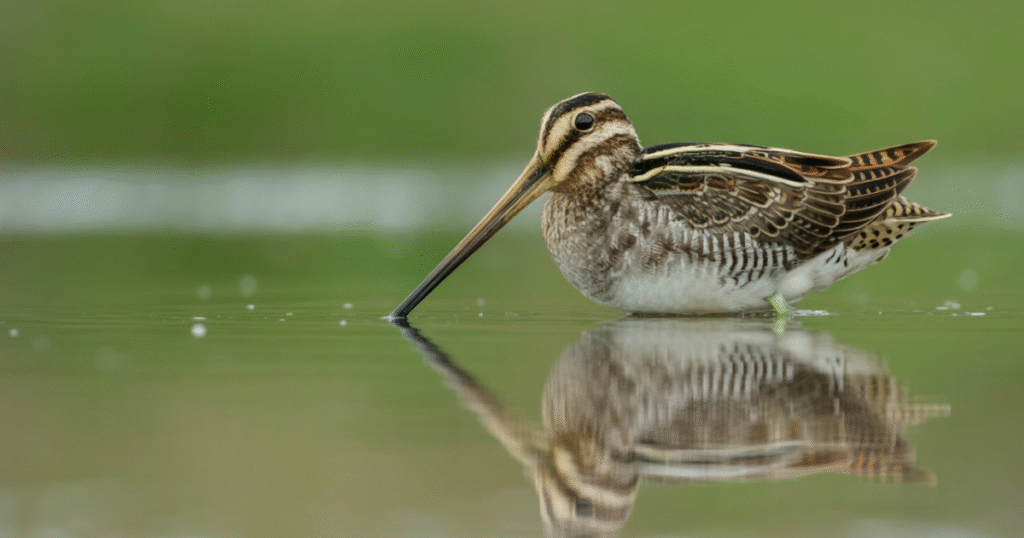
The most common species pursued in the USA is the Wilson’s snipe (Gallinago delicata). Also referred to as Jacksnipe in some regions, it shares traits with the Common snipe, featuring a long prehensile bill used for soft ground feeding on worms and invertebrate diet.
These birds thrive in marsh and bog habitats, mudflats and wetlands, and sometimes in flooded pastures or harvested croplands.
The continental breeding population of Wilson’s snipe is stable, making them a sustainable target for hunters.
Understanding their habitat preferences, migration patterns, and feeding habits allows hunters to predict snipe flight patterns and locate birds efficiently.
Recognizing habitat transition zones and the bird’s subtle signs is essential for success, whether for recreational or small game hunting purposes.
Best Locations for Snipe Hunting in the USA
Snipe hunting thrives in wetlands and marshes across nearly every state except Hawaii. Top regions include northern marshlands, southern rice fields, and midwestern flooded pastures.
Hunters often find the birds along open grassy cover, where they feed and remain partially hidden from predators.
Seasonal timing matters because snipe concentrate near mudflats and wetlands during migration. Observing environmental awareness like water levels and weather patterns helps hunters optimize trips.
Many hunters treat these locations as a waterfowl hunting alternative, combining duck or goose hunting with snipe hunts for maximum outdoor productivity.
Reading Snipe Behavior in the Field

Snipe display challenging target species behavior with sudden, zigzagging flights. Their high-speed erratic flight makes accurate shooting difficult, requiring hunters to anticipate movement and maintain focus.
Watching for feeding signs on soft mud or prehensile bill behavior helps locate these birds.
Experienced hunters note subtle cues like wing flicks or shallow tracks in wet soil. Understanding snipe flushing behavior is crucial for hunting dogs and for positioning hunters correctly.
Observing habitat transition zones and respecting their marsh navigation challenges improves success rates and reduces wasted effort during the hunt.
Essential Gear and Setup for Snipe Hunting
Shotguns with hunting choke tubes work best, paired with Number 7 steel shot or Bismuth shot for clean kills. Clothing should handle wet conditions, and boots must navigate boggy terrain comfortably.
Hunters often use retrieving dogs or flushing breeds to locate and retrieve fallen birds efficiently.
Dogs like English cocker spaniels excel because of their intelligence in hunting dogs and adaptability. Dog obedience is key; a well-trained dog ensures retrieving efficiency and enhances hunter–dog teamwork.
Small dogs navigate dense marshes better, while larger breeds risk getting stuck in soft ground feeding areas.
Proven Snipe Hunting Techniques and Strategies
Successful snipe hunting requires mastering shotgun techniques and understanding the bird’s snipe flight patterns. One common method is the walk-up hunt, where hunters quietly move through marsh and bog habitats, scanning for movement.
The small size and high-speed erratic flight of these birds demand patience and quick reflexes. Positioning yourself near open grassy cover or flooded pastures increases your chances of seeing a flush and lining up a clean shot.
Using retrieving dogs effectively complements your strategy. Flushing breeds drive birds into flight, while trained dogs like English cocker spaniels can track fallen birds, enhancing retrieving efficiency.
Anticipating the bird’s movement, practicing with hunting choke tubes, and using Number 7 steel shot or Bismuth shot ensures hunters can handle the wingshooting challenge while reducing environmental impact.
Rules, Regulations & Hunting Ethics You Must Know
Snipe hunting follows strict outdoor ethics and legal regulations. Hunters must acquire proper licenses and respect bag limits to maintain a stable bird population.
Federal, state, and local laws dictate seasons and shooting distances, ensuring the sport remains sustainable for future generations. Compliance demonstrates environmental awareness and responsible hunting practices.
Ethical hunting also involves respecting habitat transition zones. Avoid disturbing sensitive marshes, mudflats and wetlands, or the feeding areas of other wildlife.
Hunters should practice field control and obedience with dogs, maintain hunter dog teamwork, and retrieve all birds to prevent waste.
Embracing these practices honors both the rural hunting traditions and the waterfowlers’ commitment to nature.
Common Mistakes Beginners Make (And How to Avoid Them)
Beginners often underestimate the high-speed erratic flight of snipe, aiming too early or too late.
Misjudging close-range hunting importance reduces success, while unfamiliarity with boggy terrain or soft ground feeding areas leads to wasted effort and frustration.
Ignoring dog behavior or dog handling skills can also hinder hunting efficiency.
To avoid errors, practice observing game bird behavior and snipe flushing behavior before shooting. Train dogs for retrieving efficiency and confidence in tough terrain.
Understanding marsh navigation challenges and practical field experience ensures a safer, more productive hunt.
Experienced hunters advise starting slow, observing patterns, and gradually increasing hunting complexity to build both skill and outdoor storytelling material.
Life Lessons You Can Learn from Snipe Hunting
Snipe hunting teaches more than shooting; it fosters emotional learning experiences and personal growth. Hunters develop patience, situational awareness, and confidence in tough terrain, which translates to other areas of life.
Facing challenges like fear and excitement in youth hunting or navigating marsh navigation challenges strengthens problem-solving skills.
Many hunters share coming-of-age hunting stories and family hunting culture as part of the experience. Lessons about teamwork, hunter–dog collaboration, and environmental awareness create memories that last a lifetime.
Even hunting pranks and folklore, like the classic holding the sack scenario with peach tree switches and a croker sack, become treasured outdoor storytelling moments that teach humility, patience, and resilience.
Final Thoughts: Is Snipe Hunting Worth Trying?
Snipe hunting is a rewarding pursuit for beginners and experienced hunters alike. Its combination of challenging target species, high-speed erratic flight, and diverse marsh and bog habitats makes it both fun and educational.
With the right shotgun techniques, retrieving dogs, and understanding of snipe flight patterns, any outdoors enthusiast can succeed.
Beyond the hunt, snipe hunting fosters outdoor ethics, practical field skills, and appreciation for nature.
It remains a waterfowl hunting alternative, connecting participants to rural hunting traditions and offering unforgettable emotional learning experiences.
Whether you seek skill, challenge, or meaningful family experiences, snipe hunting is well worth trying.
FAQs
Why would you hunt snipes?
For the challenge of hunting fast, elusive game birds and enjoying outdoor skills in marshes and wetlands.
Is there actually a bird called snipe?
Yes, birds like Wilson’s snipe (Gallinago delicata) and Common snipe exist.
Are snipes legal to shoot in Texas?
Yes, during the regulated hunting season with a valid waterfowl or small game license.
Is snipe good to eat?
Yes, snipe are considered tasty small game birds with a delicate flavor.
Are snipes legal to shoot?
Yes, where hunting is licensed and within season limits under local laws.