
 alishanasir237@gmail.com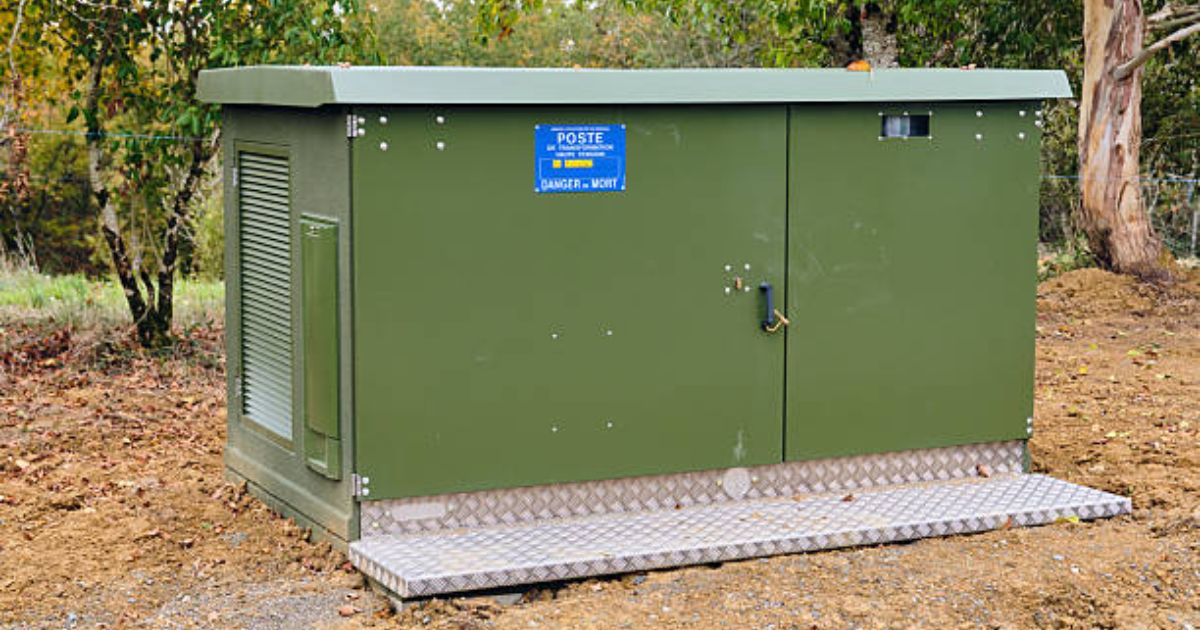
3 Phase vs Single Phase Transformers: Which Is Best for Commercial Applications?
Modern commercial infrastructure depends heavily on efficient and reliable electrical distribution systems. From office complexes and hospitals to manufacturing plants and retail centers, transformers play a central role in ensuring stable power delivery. Among the most commonly compared options are three phase and single phase transformers, each designed to serve specific electrical demands.
A three phase pad mounted transformer is widely used in commercial environments because it supports higher electrical loads, improved efficiency, and consistent power distribution across large facilities. However, single phase transformers still remain relevant for smaller commercial applications where energy requirements are lower. Understanding the differences between these transformer types helps engineers, facility managers, and business owners make informed decisions.
This guide explores how both transformer systems work, their advantages, limitations, and which option performs best in commercial applications.
Understanding Transformers in Commercial Power Systems
Transformers transfer electrical energy between circuits using electromagnetic induction. Their primary purpose is to step voltage levels up or down to match the needs of equipment and infrastructure.
Commercial buildings require transformers because utility power is transmitted at high voltage levels, while equipment operates at lower, safer voltages.
Core Functions of Transformers
- Voltage conversion for safe equipment operation
- Electrical isolation between circuits
- Improved energy efficiency during distribution
- Stabilization of voltage levels
- Support for long-distance power transmission
Transformers are categorized mainly by the type of electrical phase they support, which directly affects performance and application suitability.
What Is a Single Phase Transformer?
A single phase transformer operates using a single alternating current waveform. It consists of one primary winding and one secondary winding connected through a magnetic core.
These transformers are commonly used in residential settings and small commercial facilities with moderate electrical demand.
Key Characteristics of Single Phase Transformers
- Operate on single alternating voltage cycle
- Simple construction and installation
- Lower initial cost compared to three phase systems
- Suitable for lighter electrical loads
- Typically used for localized power distribution
Single phase transformers deliver power in pulses rather than continuously, which can influence efficiency when powering heavy equipment.
Common Commercial Uses of Single Phase Transformers
Although often associated with residential power, single phase transformers still serve specific commercial roles.
Typical Applications
- Small retail stores
- Cafes and restaurants
- Small offices
- Lighting systems
- Security and surveillance systems
- Small HVAC units
Businesses with limited machinery or minimal motor-driven equipment often find single phase transformers adequate.
What Is a Three Phase Transformer?
A three phase transformer operates using three alternating currents that are offset by 120 degrees. This configuration creates continuous power flow, making it highly efficient for commercial and industrial environments.
Three phase systems can be built as a single integrated unit or as three separate single phase transformers connected together.
Key Characteristics of Three Phase Transformers
- Continuous and balanced power delivery
- Higher efficiency under heavy loads
- Reduced energy losses
- Greater power capacity
- Ideal for motor-driven equipment
Because commercial buildings rely on elevators, large HVAC systems, and machinery, three phase transformers have become the industry standard.
How Three Phase Power Works
In a three phase system, three electrical currents operate simultaneously but reach peak voltage at different times. This overlapping pattern ensures uninterrupted power delivery.
Advantages of Continuous Power Flow
- Smooth motor operation
- Reduced vibration in equipment
- Higher operational efficiency
- Better load balancing
- Improved system reliability
Continuous energy transfer makes three phase transformers particularly suitable for commercial applications requiring consistent performance.
Major Differences Between Three Phase and Single Phase Transformers
Understanding the differences between these systems helps clarify why one may outperform the other in commercial environments.
Power Capacity
- Single phase transformers handle smaller loads
- Three phase transformers support large-scale electrical demand
Efficiency
- Single phase systems experience higher energy loss under heavy loads
- Three phase systems maintain efficiency even during peak usage
Equipment Compatibility
- Single phase works well with lighting and small appliances
- Three phase supports industrial motors and heavy machinery
Installation Complexity
- Single phase installations are simpler
- Three phase installations require more planning but offer long-term advantages
Operating Costs
- Single phase may cost less initially
- Three phase reduces operational costs through efficiency gains
Advantages of Single Phase Transformers for Commercial Use
Despite limitations, single phase transformers offer practical benefits in certain commercial scenarios.
Benefits
- Lower upfront investment
- Easier maintenance
- Compact size
- Suitable for low energy demand environments
- Simple electrical infrastructure requirements
Small businesses or standalone commercial units often choose single phase systems to control installation costs.
Limitations of Single Phase Transformers
When commercial energy demand increases, single phase systems may struggle to maintain performance.
Common Drawbacks
- Limited power capacity
- Voltage fluctuations under heavy load
- Less efficient for large motors
- Higher long-term energy consumption
- Not scalable for expanding facilities
These constraints make single phase transformers less suitable for growing commercial operations.
Advantages of Three Phase Transformers in Commercial Applications
Three phase transformers dominate commercial electrical systems because they meet modern power demands efficiently.
Key Benefits
- High power output capability
- Stable voltage supply
- Energy efficiency at scale
- Reduced conductor material requirements
- Longer equipment lifespan
- Improved motor performance
Large commercial properties rely on these benefits to maintain uninterrupted operations.
Why Commercial Buildings Prefer Three Phase Systems
Commercial environments typically operate multiple electrical systems simultaneously. These include climate control systems, lighting networks, elevators, data centers, and manufacturing equipment.
Operational Advantages
- Handles simultaneous heavy loads
- Supports automation systems
- Enables efficient power distribution across floors
- Reduces downtime risks
- Enhances electrical reliability
Continuous power flow prevents operational interruptions that could impact productivity or safety.
Cost Comparison Between Three Phase and Single Phase Transformers
Cost considerations often influence transformer selection, but evaluating only initial expenses can be misleading.
Initial Costs
- Single phase transformers are cheaper to purchase and install
- Three phase systems require higher upfront investment
Long Term Costs
- Three phase systems lower energy bills due to efficiency
- Reduced maintenance expenses
- Improved equipment durability
Over time, many commercial facilities find three phase transformers more economical.
Energy Efficiency and Power Quality
Power quality directly impacts equipment performance and operational stability.
Single Phase Performance
- Suitable for intermittent loads
- Higher voltage drops under stress
- Less balanced power delivery
Three Phase Performance
- Balanced electrical loads
- Minimal energy loss
- Improved power factor
- Reduced overheating risk
Better power quality translates into lower operational disruptions.
Installation and Space Considerations
Transformer installation varies depending on building design and electrical requirements.
Single Phase Installation
- Requires less space
- Easier wiring configuration
- Faster deployment
Three Phase Installation
- May require dedicated electrical planning
- Often installed outdoors as pad mounted units
- Supports centralized power distribution
Pad mounted designs improve safety while protecting equipment from environmental exposure.
Safety and Reliability Factors
Electrical reliability is critical for commercial facilities where downtime can cause financial losses.
Reliability Comparison
- Single phase systems may experience uneven loading
- Three phase systems distribute load evenly across phases
Safety Benefits of Three Phase Systems
- Reduced overheating risk
- Stable voltage regulation
- Lower electrical stress on equipment
- Improved fault tolerance
These features make three phase transformers ideal for mission critical environments.
Scalability for Growing Businesses
Commercial operations often expand over time, increasing energy demand.
Scalability Differences
- Single phase systems require replacement when demand grows
- Three phase systems allow easier capacity expansion
Investing in scalable infrastructure reduces future upgrade costs.
Industries That Typically Use Each Transformer Type
Single Phase Transformer Industries
- Small retail outlets
- Local service businesses
- Small clinics
- Independent offices
Three Phase Transformer Industries
- Manufacturing facilities
- Hospitals and healthcare campuses
- Data centers
- Shopping malls
- Warehouses and logistics centers
- Large office buildings
Industry requirements strongly influence transformer selection.
Environmental and Operational Efficiency
Energy efficiency contributes to sustainability goals and operational savings.
Environmental Benefits of Three Phase Transformers
- Lower transmission losses
- Reduced carbon footprint through efficient power usage
- Longer operational lifespan
- Better integration with renewable energy systems
Efficient electrical infrastructure supports modern sustainability initiatives.
Choosing the Right Transformer for Commercial Applications
Selecting between single phase and three phase transformers depends on multiple factors.
Key Decision Criteria
- Total electrical load requirements
- Type of equipment used
- Facility size
- Future expansion plans
- Energy efficiency goals
- Budget considerations
Electrical engineers typically conduct load analysis before recommending transformer configurations.
Future Trends in Commercial Power Distribution
Commercial power systems continue evolving alongside smart infrastructure and automation technologies.
Emerging Trends
- Smart monitoring transformers
- Integration with renewable energy sources
- Energy efficient transformer cores
- Remote diagnostics and predictive maintenance
- Increased adoption of pad mounted systems
Three phase transformers are expected to remain dominant due to their adaptability and performance advantages.
Conclusion
Both single phase and three phase transformers play essential roles in electrical distribution, but their suitability depends largely on application scale and energy demand. Single phase transformers work well for small commercial environments with limited power requirements and straightforward electrical systems.
However, for most modern commercial applications, three phase transformers provide superior efficiency, reliability, scalability, and long term operational value. Their ability to deliver continuous power, support heavy equipment, and maintain voltage stability makes them the preferred solution for large and growing commercial infrastructures.
Understanding these differences allows businesses and facility planners to design electrical systems that align with operational needs while ensuring performance, safety, and efficiency over time.