 alishanasir237@gmail.com
The Service Engine Soon Light is one of those vehicle dashboard warning lights that instantly catches a driver’s attention.
It’s your car’s way of saying something in the emissions control system or engine might not be working properly. When this light appears, it doesn’t always mean an emergency, but it’s definitely a maintenance alert you shouldn’t ignore.
Modern cars rely on advanced sensors and the vehicle computer system to detect early signs of trouble from minor issues like a loose gas cap to major engine performance issues.
Understanding what triggers this light and how to respond can save you time, prevent costly repairs, and keep your vehicle running smoothly on every trip.
Common Reasons Why the Service Engine Soon Light Comes On

There are many reasons behind the Service Engine Soon Light including simple wear or a hidden fault. A loose or faulty gas cap can trigger it by disrupting the fuel system’s pressure.
Other triggers include low fluid levels such as engine oil, brake fluid or coolant, as well as contaminated gasoline that affects performance.
Technical faults may involve oxygen sensor malfunction, faulty mass airflow sensor (MAF sensor), ignition coil problems, or spark plug wear and tear. Even issues like a vacuum leak in intake manifold, a faulty exhaust system, or PCM / ECM failure (engine control module) are possible.
Each of these affects the fuel-air mixture, emissions, or engine performance issues in ways your car’s diagnostics tool recognizes.
How to Diagnose the Service Engine Soon Light
Diagnosis often begins with an OBD-II scanner usage to retrieve stored diagnostic trouble codes (DTCs). These codes provide clues such as misfires or sensor failures to the exact system causing the alert.
You can attempt some basic checks yourself: inspect your air filter, verify fluid levels, and ensure your gas cap is tight. If you don’t have the right tools or encounter a serious fault, a professional mechanic check is wise.
They can interpret codes, test sensors, examine wiring and run the kind of system checks that go beyond what DIY goes. Early detection via auto repair and maintenance saves time and money.
How to Reset the Service Engine Soon Light

Once you’ve addressed the root cause you may wish to reset the Service Engine Soon Light, but resetting alone won’t fix the fault.
Some vehicles allow manual reset by disconnecting the battery briefly; others require an auto technician to reset via scan tool. It’s important not to reset the light until you’ve confirmed the fault is resolved.
A recurring light often means the system detected the same issue again perhaps a lingering one like a clogged air filter or corroded connection. Drive a few cycles and if the light remains off, you likely fixed the cause.
Service Engine Soon Light vs. Check Engine Light
Many drivers confuse the Service Engine Soon Light with the “check engine light”, but the two differ. The check engine light typically signals immediate or serious faults in your vehicle’s engine or emissions system such as misfires or a bad catalytic converter.
By contrast the service light may simply mean scheduled service interval is due or a minor issue exists. Here’s a comparison table for clarity:
| Warning Light | Typical Meaning | Urgency |
| Service Engine Soon Light | Maintenance due or minor fault | Moderate, book soon |
| Check Engine Light | Possible serious engine/emissions fault | High, inspect immediately |
Preventing the Service Engine Soon Light from Coming On
Preventing this alert largely comes down to regular vehicle maintenance and preventive maintenance tips. Checking fluid levels such as engine oil and transmission fluid, brake fluid and coolant regularly helps. Ensuring you meet the car maintenance schedule keeps your car in shape.
Also maintain air filters, inspect wiring for corrosion, and keep sensors clean so they function properly. And driving gently can reduce stress on sensors and emissions systems, safeguarding your car’s fuel efficiency and emissions performance.
Key Vehicle Maintenance Areas Related to the Light
Certain components of your car tie directly into triggering the service light. Your brake fluid and coolant checks matter because low levels can trigger alerts.
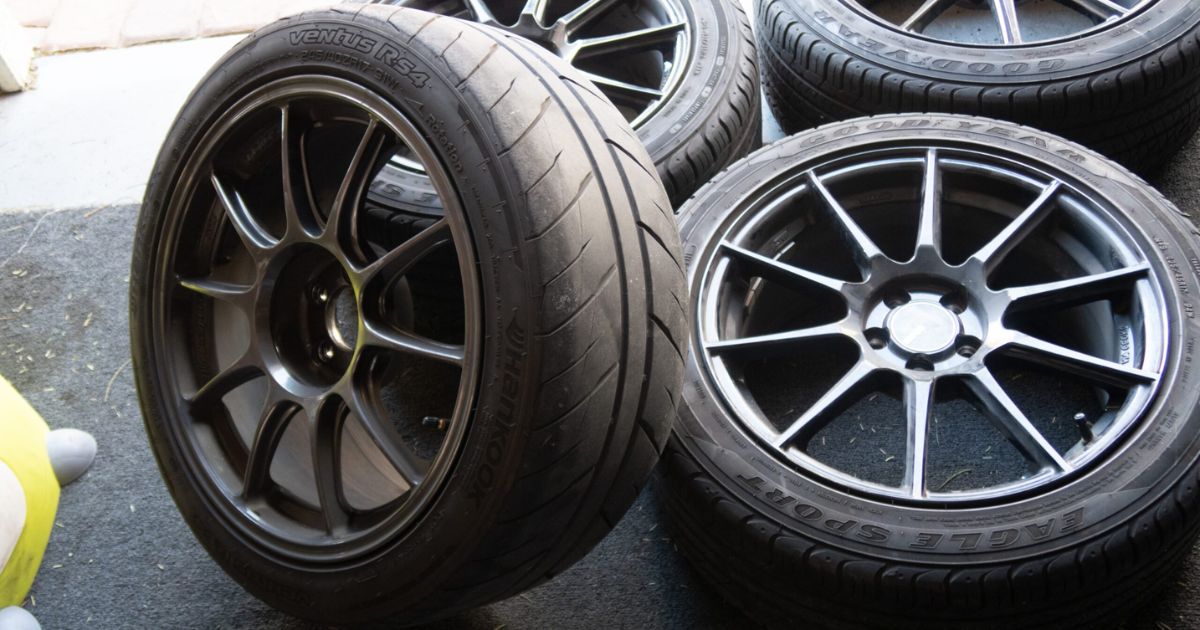
Your tires, alignment and transmissions also factor in because poor mechanical health affects the engine load and sensor readings.
Think about the whole system: from the tires up to the combustion chamber, every part contributes to performance. Staying ahead of wear in major areas ensures the SES light doesn’t unexpectedly come on.
The Importance of Regular Tune-Ups
A regular tune-up helps keep your car humming. It addresses issues like spark plug replacement, sensor cleaning, and maintenance of components that affect the emissions control system and overall engine operation.
Consistent tune-ups improved fuel efficiency, reduce engine misfire risks, and extend engine life.
With a good tune-up you’re less likely to hit that dreaded SES light.
Make sure your tune-up aligns with the scheduled service interval recommended for your car, especially if you drive often in stop-and-go traffic or carry heavy loads.
How Weather Changes Affect Warning Lights
Seasonal changes can influence vehicle systems and trigger dashboard alerts. In cold weather, thick oil or sluggish sensors can delay startup and affect readings.
In hot or humid weather, heat affects sensor operation and may increase engine load.
Because the car’s electronics measure conditions continuously, a maintenance alert might pop up simply because conditions changed.
Preparing your car for seasons checking coolant, fluids, seals, and sensor health—reduces unexpected alerts.
Professional Help: When to Schedule a Service Appointment
Even with the best DIY efforts there are times you need to call in the pros. If the SES light flashes, you notice significant performance loss, or codes point to PCM / ECM failure, it’s time for a professional mechanic check.
Select a repair shop that uses modern automotive diagnostics tool and asks for readings from your car’s system.
When you arrive, explain when the light came on, what you observed, and any recent changes to your vehicle. This helps the technician diagnose efficiently.
Cost Factors: How Much Will It Cost to Fix It?
Repair costs vary widely depending on the root cause. Simple fixes like replacing a gas cap or air filter might cost under $50.
More involved work like replacing an oxygen sensor, repairing a faulty exhaust system, or replacing the PCM/ECM can run into hundreds or even thousands of dollars. For example:
| Repair Type | Typical Cost Estimate (USA) |
| Gas cap replacement | $20 – $50 |
| Air filter or spark plug change | $100 – $250 |
| Oxygen or MAF sensor replacement | $200 – $400 |
| PCM/ECM replacement | $1,000+ |
Checking your warranty, service records and using trusted repair shops helps avoid surprises.
You can also read this Blog: Search Google or Type a URL
Fuel Efficiency and Performance Tips
Resolving the SES light not only restores peace of mind but also helps reclaim the fuel efficiency your vehicle lost.
A well-maintained air filter, healthy sensors, and sealed fuel system support the correct fuel-air mixture and smooth operation.
After repairs, drive steadily for a few days, monitor mileage, and compare before-and-after fuel consumption.
If there’s an improvement, you likely addressed the underlying issue. If not, further diagnostics may be needed.
Electrical and Sensor System Health
Your car depends on a network of sensors and wiring to monitor engine function and emissions.
Corroded electrical wires, failing sensors, or loose connectors can lead to false alerts and actual performance problems. Keeping wiring clean, tight and insulated helps.
Sensors like the oxygen sensor, MAF sensor, and intake manifold sensors detect precisely how your vehicle is performing in the combustion chamber.
Their data ensures the engine timing and fuel delivery are properly tuned, so nothing slips through unnoticed.
Advanced Causes Few Drivers Consider
Sometimes the cause of the SES light lies deep within the system and not in easy-to-fix parts. A failing PCM / ECM (engine control module) may incorrectly manage multiple systems and trigger a warning.
Or the engine’s ignition timing adjustment could be off, affecting combustion and emissions.
In rare cases you may face issues with the catalytic converter, faulty exhaust system, or a vacuum leak in intake manifold.
Such faults rarely fix themselves and often require advanced diagnostics or replacement of complex systems which is why early detection is key.
Conclusion
Understanding the Service Engine Soon Light helps you act early and avoid bigger headaches. This light isn’t always a crisis, but it’s a clear signal your car needs attention now.
Whether it’s part of your car maintenance schedule, a sensor fault, or a deeper engine problem, addressing it promptly protects your investment and your safety.
Take the warning seriously, schedule service when needed, and drive confidently knowing you are staying ahead of trouble.
FAQs
What would cause my Service Engine Soon Light to come on?
It usually comes on due to minor issues like a loose gas cap, low engine oil levels, or faults in sensors such as the oxygen or MAF sensor.
Can I drive with the Service Engine Soon Light on?
You can drive for a short time if the car runs normally, but ignoring it can lead to serious engine performance issues later.
How to fix a Service Engine Soon Light?
Use an OBD-II scanner to read codes, check fluids, tighten the gas cap, and repair any faulty parts like spark plugs or sensors.
Does Service Engine Soon mean oil change?
Not always. It can indicate a routine car maintenance schedule or another system issue needing inspection.
How much to fix a Service Engine Light?
Costs vary from $20 for a gas cap to over $1,000 for PCM / ECM failure or complex repairs.