 alishanasir237@gmail.com
Is oat milk gluten free is a question many Americans ask as this popular non-dairy milk alternative becomes a staple in coffee, smoothies, and baking.
While oats themselves are naturally gluten-free, oat milk contamination risks can occur through cross-contact with wheat or barley during farming, processing, or transport.
Choosing certified gluten-free oats and understanding the oat milk production process is crucial for anyone with celiac disease or gluten sensitivity.
Beyond safety, oat milk also offers oat milk health benefits, making it a nutritious choice.
This guide covers everything from safety and brands to alternatives for a gluten-free diet.
What Is Gluten and Why Does It Matter?
What is gluten? Gluten is a group of proteins found in wheat, barley, and rye.
It gives bread elasticity and structure, but can trigger serious health issues for people with celiac disease or gluten sensitivity, causing gluten sensitivity symptoms like bloating, fatigue, and diarrhea.
Understanding gluten-free diet considerations has become essential for Americans seeking safer food and beverage options.
Gluten can also appear due to modern farming and processing practices.
Glyphosate and gluten issues have raised concerns over celiac disease in certain populations.
Knowing farm-to-table gluten risks helps consumers avoid oat milk contamination risks and select safe products for daily use.
What Is Gluten and How Does It Affect the U.S. Consumer?
Gluten affects not only celiac patients but also individuals with gluten sensitivity symptoms.
People often experience fatigue, digestive issues, or skin reactions.
Gluten-free labeling laws in the U.S. require products to contain less than 20 parts per million of gluten to be labeled safe.
This regulation ensures that celiac-safe oat milk meets strict safety standards.
Understanding Oats and Gluten Contamination
Oats are naturally gluten-free, but contamination often occurs during harvesting, storage, or processing.
Oat contamination with wheat or barley is common in shared facilities, making some oat products unsafe for gluten-sensitive individuals.
Recognizing cross-contamination in oats is crucial if you want truly gluten-free oat milk.
Even certified oats contain avenin in oats, a protein that can trigger mild reactions in rare cases.
Understanding whether are oats naturally gluten-free versus safe for consumption helps prevent it safety for celiac issues, keeping your diet both nutritious and secure.
How Cross-Contact Happens from Farm to Factory in the USA
From planting to processing, oats can mix with gluten-containing grains. Farms often rotate crops, and silos may store multiple grains.
Factories may process oats alongside wheat or barley. These factors make oat milk gluten contamination a real concern for sensitive consumers.
How Oat Milk Is Made
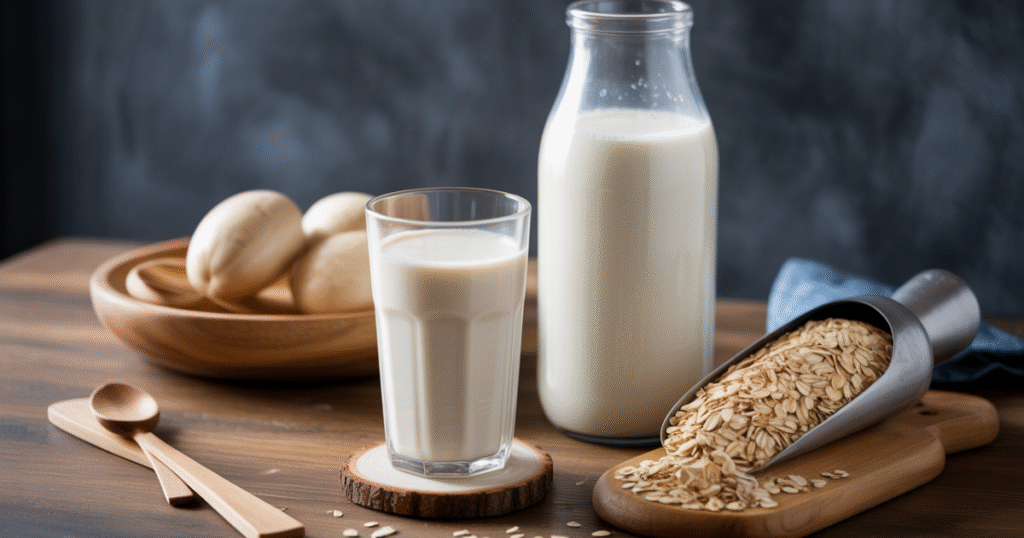
How oat milk is made starts with oats, water, and sometimes oils or vitamins.
Whole oats are soaked, blended, and strained to create a smooth liquid.
The oat milk production process ensures a creamy texture suitable for drinking or coffee use.
Additional nutrients like calcium or vitamin D are often added during production.
Contamination risks exist if the facility also handles gluten-containing grains.
Using certified gluten-free oats is crucial for preventing cross-contact.
Understanding oat milk ingredients and production helps consumers select safe barista oat milk and other commercial products.
Where Oat Milk Gluten Contamination Often Occurs in American Facilities
Contamination can happen during milling, blending, or bottling. Shared equipment and storage increase risk.
Many factories follow strict cleaning protocols to reduce cross-contact, ensuring celiac-safe oat milk reaches store shelves.
Is Oat Milk Naturally Gluten-Free?
Many ask, do oats contain gluten? Pure oats do not, but the protein avenin in oats can cause reactions for sensitive individuals.
This means are oats naturally gluten-free in theory, but safety depends on processing and certification. Choosing it ensures safety for those avoiding gluten.
Beyond safety, oat milk health benefits include fiber, vitamins, and minerals.
This makes it an appealing choice for those with lactose intolerance and oat milk needs, offering a nutrient-rich alternative to dairy milk.
Is Oat Milk Safe for Celiac Disease?
It can be safe for celiac patients if it is made from certified gluten-free oats and processed in a dedicated gluten-free facility.
Checking labels and certification ensures that oat milk for lactose intolerance and celiac-safe needs are both met.
Gluten Contamination in Commercial Oat Milk Brands
Some commercial oat milk brands risk oat milk contamination risks due to shared equipment or non-certified oats.
Testing has shown trace gluten in popular brands, so selecting gluten free oat milk is essential for celiac and sensitive consumers.
Cross-contact can also happen during transport or storage. Knowing oats and gluten-free labeling helps consumers avoid hidden gluten.
The following table shows contamination risk in some U.S. oat milk brands:
| Brand | Certified Gluten-Free | Risk of Contamination | Notes |
| Brand A | Yes | Low | Ideal for coffee froth |
| Brand B | No | High | Avoid for celiac |
| Brand C | Yes | Low | Popular for smoothies |
Signs of Oat Milk Contamination Risks Consumers Should Know
Look for missing certification, unclear labels, or brands that don’t provide gluten-free certification requirements.
These are warning signs for potential oat milk gluten contamination.
Certified Gluten Free Oat Milk: What to Look For
Certified brands follow strict gluten-free certification requirements. Labels must meet gluten-free labeling laws, showing less than 20 ppm gluten.
Certifications such as GFCO indicate the product is safe for people with celiac disease.
Always check ingredients. Avoid additives that might contain gluten.
Brands using certified gluten-free oats provide peace of mind and guarantee celiac-safe oat milk for daily consumption.
How to Read Gluten Free Labeling Laws on Oat Milk Cartons
Labels must clearly show certification, ingredients, and warnings.
Look for logos from recognized authorities, and always confirm oat milk safety for celiac.
Best Gluten-Free Oat Milk Brands
Some best gluten-free oat milk brands in the U.S. include Oatly, and Califia Farms.
These brands use certified gluten-free oats and strict protocols to prevent contamination.
They offer barista oat milk options for creamy coffee froth and Koji milk gluten-free alternatives for unique textures.
Reliable brands ensure taste, nutrition, and safety.
Oat milk for lactose intolerance or gluten-sensitive individuals can be enjoyed without worry when using certified products.
Barista Oat Milk Options for Coffee Lovers on a Gluten-Free Diet
Brands like Oatly Barista Edition are popular in cafes and homes.
They provide creamy froth and are made with non-dairy milk alternatives for those avoiding dairy and gluten.
Gluten-Free Alternatives to Oat Milk
If oat milk isn’t suitable, several gluten-free milk alternatives are available.
Almond, coconut, flax, and rice milk are naturally safe and widely accessible. Koji milk gluten-free is another creamy option.
These alternatives reduce oat milk contamination risks while offering similar nutritional benefits.
Comparing oat milk vs dairy milk, these options support both lactose-intolerant and gluten-sensitive diets, expanding your choices in everyday cooking or beverages.
Non-Dairy Milk Alternatives Safer Than Oat Milk
Almond, hemp, and cashew milk are widely used.
Check what to look for in alternative milks, including additives and potential cross-contact warnings.
How to Make Gluten-Free Oat Milk at Home
Making homemade oat milk gluten-free is easy. Use certified gluten-free oats, soak overnight, blend with water, and strain.
Homemade milk gives control over oat milk ingredients, avoids factory cross-contact, and ensures oat milk safety for celiac.
You can enrich it with vitamins or sweeteners, maintaining the oat milk health benefits while keeping it safe.
Dedicated kitchen tools reduce risk of contamination for sensitive individuals.
Preventing Cross-Contamination in Oats at Home
Use dedicated kitchen tools and clean surfaces to prevent oat milk gluten contamination.
Homemade versions are safer for sensitive individuals.
Benefits and Risks of Oat Milk for Gluten-Sensitive Individuals
Health benefits of oat milk include fiber, beta-glucan, vitamins, and minerals.
It supports heart health and digestion, making it a reliable non-dairy milk alternative for oat milk for lactose intolerance consumers.
However, risks include potential reactions to avenin in oats and contamination from processing.
Evaluating oat milk contamination risks is essential before including it in a gluten-free diet.
Does Oat Milk Cause Inflammation in Gluten-Sensitive People?
Studies show that certified gluten-free oat milk rarely causes inflammation. Reactions are more likely from cross-contact or sensitive individuals consuming oats with avenin.
Common Myths About Oat Milk and Gluten
A common myth is that all oat milk contains gluten. In reality, celiac-safe oat milk exists using certified gluten-free oats.
Another myth is that oat milk isn’t nutritious. On the contrary, oat milk health benefits rival those of dairy milk.
Some also believe only dairy milk works for coffee. Today, barista milk options like oat and Koji milk gluten-free provide creamy froth for drinks.
Knowing the facts helps safely enjoy gluten-free alternatives to oat milk.
Clearing Confusion About What Milk Is Gluten-Free
Only certified products meet safety standards. Look for labeling and certifications to avoid oat milk contamination risks.
Final Verdict: Should You Choose Oat Milk on a Gluten-Free Diet?
Is oat milk gluten free? Yes, if made with certified gluten-free oats and processed in controlled facilities. For celiac patients, always check certification.
Barista oat milk and Koji milk gluten-free provide safe, creamy options for daily use.
Highly sensitive individuals may also explore gluten-free milk alternatives like almond, coconut, or rice milk.
Balancing health benefits of oat milk with safety ensures a tasty, nutritious, and worry-free experience.
Key Takeaways for Gluten-Free Diet Considerations in the USA
Always check certification, read gluten-free labeling laws, and know the source of your oats. Homemade oat milk offers additional safety.
Oat milk for lactose intolerance and gluten-sensitive individuals can be enjoyed responsibly when informed.
FAQs
Why is oat milk not gluten-free?
Oat milk can be contaminated with wheat, barley, or rye during farming or processing, making it unsafe for some with gluten sensitivity.
Which oat milk brands are gluten-free?
Brands like Oatly (certified gluten-free), Planet Oat, and Califia Farms offer safe options with certified gluten-free oats.
What milk can celiacs drink?
Celiacs can safely drink almond, soy, rice, coconut, or certified gluten-free oat milk.
Is Starbucks oat milk gluten-free?
Starbucks oat milk is not guaranteed gluten-free due to cross-contamination risks.
Why are people avoiding oat milk?
Some avoid oat milk because of gluten contamination, avenin protein reactions, or personal dietary preferences.