 alishanasir237@gmail.com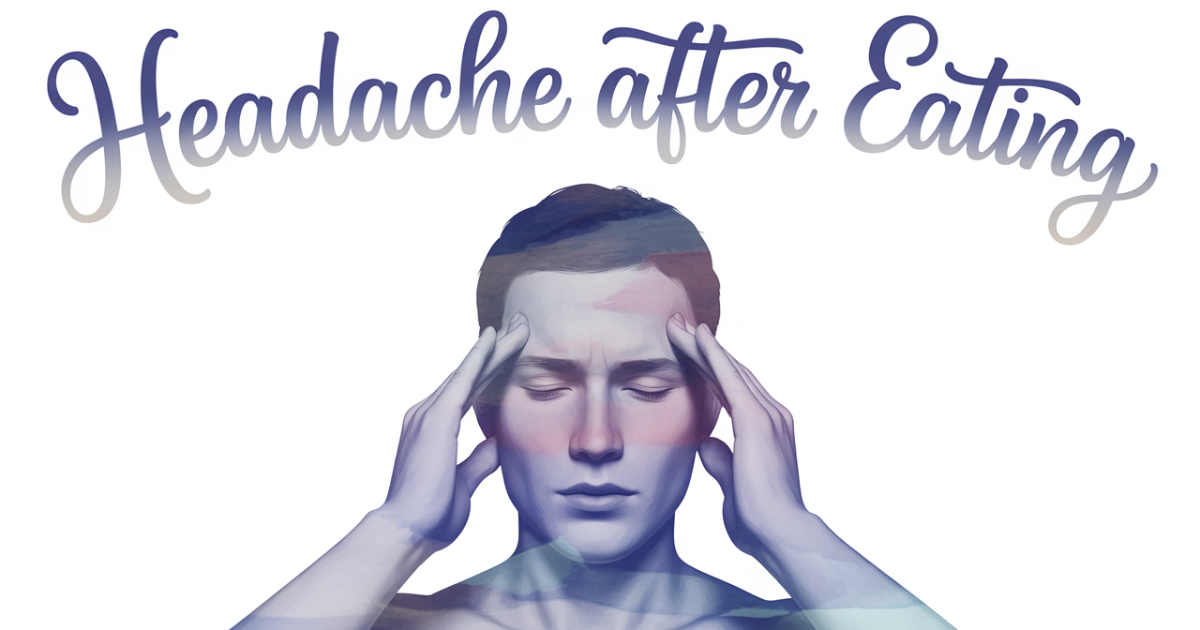
Many people experience a headache after eating, and the discomfort can feel confusing when it strikes right after a meal.
Sometimes it shows up as a dull ache, while other times it feels more intense, almost like a post-meal headache that comes out of nowhere.
For some individuals, this pain is linked to food-induced headaches, hidden sensitivities, or sudden blood sugar fluctuations.
Others may feel pressure because of certain ingredients or the way their body processes food.
Understanding these reactions helps you make better choices and reduces the chances of experiencing a frustrating head pain after meals again.
What Are Post-Meal Headaches?
A post-meal headache happens when pain develops shortly after eating, usually within minutes to two hours.
The discomfort sometimes feels mild and dull, while other times it creates a throbbing pressure that resembles a migraine after eating.
These headaches often appear because the body reacts to certain foods, chemicals, or changes in metabolism.
Many people don’t realize how quickly eating habits influence the brain, especially when dealing with diet-related headaches.
Some Americans experience these headaches only with specific meals, while others notice a headache after every meal, which means there may be underlying conditions such as blood sugar fluctuations, digestion issues, or food sensitivities.
Understanding the reaction behind each episode helps you respond more confidently and reduces anxiety about the next occurrence.
When your body signals discomfort, it’s telling you something meaningful, and learning to interpret these signals is the first step in recovery.
Common Causes of Headaches After Eating
Blood Sugar Fluctuations (Reactive Hypoglycemia)
Blood sugar plays a major role in headaches triggered by food, especially if you frequently experience a headache after sugar or headache after eating sweets.
When glucose rises too fast, it may lead to hyperglycemia, and when it falls too quickly, it can cause reactive hypoglycemia or postprandial hypoglycemia.
These swings can create sharp pain, dizziness, and nausea. People with insulin resistance or early metabolic disorders may notice stronger symptoms.
Doctors often suggest blood glucose testing when patterns like these repeat.
Food Allergies and Food Sensitivities
Many Americans have unrecognized food allergies, food intolerance, or food sensitivities that spark headaches.
Immune reactions to dairy, gluten, eggs, soy, or shellfish can lead to inflammation throughout the body.
This inflammation sometimes reaches the nervous system and causes immediate discomfort.
Tracking meals through a food diary for headaches helps identify hidden triggers, and allergy testing can confirm the cause.
High-Histamine and Tyramine-Rich Foods
Some foods contain natural chemicals that irritate sensitive individuals.
High-histamine foods, tyramine foods, and items linked to histamine intolerance may activate nerve pathways in the brain.
These chemicals appear in aged products, fermented items, and alcohol, which is why red wine headaches are so common in the USA.
People with conditions like migraines or mast cell disorders often react strongly to these chemical triggers.
MSG, Nitrates, and Food Additives
Many processed and packaged items contain preservatives that can provoke discomfort.
MSG often causes MSG sensitivity, especially in people who already experience migraine triggered by food.
Processed meats contain nitrates, which can reduce blood oxygen flow and create immediate pain.
These processed meats triggers can cause tightening around the forehead or temples and often last several hours.
Dehydration and Electrolyte Imbalance
Busy lifestyles, long workdays, and forgotten water bottles often combine to create dehydration headaches.
When minerals like sodium, magnesium, or potassium drop too low, an electrolyte imbalance develops, affecting nerve transmission.
People often experience this after salty snacks, fast food, or exercising without proper hydration.
Many medical professionals recommend hydration for headache relief throughout the day to avoid sudden discomfort.
Caffeine Withdrawal or Excess Intake
Many Americans depend on daily coffee.
Missing a cup can lead to a caffeine withdrawal headache, while consuming too much can cause anxiety, jitters, and sharp pain after meals.
Coffee combined with sugar makes the effect stronger, which explains why some people struggle with a headache after sugar when paired with caffeine.
TMJ Disorders Triggered by Chewing
If your jaw feels tight or misaligned, chewing tough foods can trigger headaches.
A TMJ disorder creates muscle strain that radiates upward into the temples or behind the eyes. Pain often worsens after chewy meals like steak or crusty bread.
Cold-Stimulus Headaches (Ice-Cream Headaches)
A sudden cold shock can bring an ice-cream headache or cold-stimulus headache.
This fast, sharp pain results from blood vessel changes inside the head when cold food touches the palate.
Many people feel this with frozen drinks or desserts.
Work, Stress, and Environmental Triggers
Stress from work can cause stress-induced headaches, especially during rushed lunches or skipped breaks.
Poor posture, noisy environments, and bright lights also create work-related headaches.
These environmental triggers often combine with dietary ones and intensify the discomfort.
Digestive Disorders and the Gut–Brain Connection
Conditions like irritable bowel syndrome, reflux, or slow digestion can influence the nervous system.
This relationship is known as the gut-brain connection, and it explains why many individuals with digestive disorders experience headaches after eating.
When the digestive system struggles, the brain often reacts with inflammation and discomfort.
Foods That Commonly Trigger Headaches

Many American foods can trigger episodes of food-induced headaches.
tems like aged cheese, smoked meats, and fermented dishes contain compounds that irritate sensitive individuals.
Chocolate can create chocolate triggers, especially for people prone to migraines.
Citrus fruits sometimes cause a citrus headache trigger, and foods like walnuts or almonds can create nuts and seeds sensitivity.
Some people also react strongly to avocado tyramine, which affects blood flow in the brain.
Sugary drinks and desserts may lead to a sugary foods headache, especially in individuals with unstable glucose.
Artificial sweeteners found in “diet” items may cause an artificial sweeteners headache or similar discomfort.
Cold items like sorbet or milkshakes often create immediate pain, especially for those prone to ice-cream headache episodes.
Understanding these patterns helps you answer the question “what foods cause headaches?” and avoid future discomfort.
Symptoms to Watch For
The symptoms of post-meal headaches differ widely among individuals.
Some people feel a slow pressure building behind the eyes or forehead, while others experience pounding, throbbing pain in a matter of minutes.
Nausea may follow, and some individuals become sensitive to lights or sounds. A few people even report sudden dizziness or confusion when blood sugar levels change too quickly.
When episodes become frequent, they may lead to irritability, fatigue, and difficulty concentrating. People often wonder “why do I get headaches after eating certain foods?” because the symptoms feel random.
However, these patterns usually reveal underlying triggers such as chemical sensitivity, inflammation, or hormonal shifts. Learning these signs early helps vcyou prevent larger problems later.
When Should You Be Concerned?
Some situations indicate a deeper medical issue. A sudden, intense headache after eating may signal something more serious than a simple reaction.
Symptoms that appear immediately after a meal may relate to vascular changes, severe allergies, or blood sugar issues.
People dealing with diabetes or metabolic concerns should pay close attention to repeated discomfort because these patterns sometimes align with early diabetes-related headaches.
If you notice a headache after every meal or strong symptoms like vision changes, difficulty speaking, or numbness, a medical evaluation becomes essential.
Many doctors recommend scheduling a check-up when patterns persist, especially if other health concerns exist.
For some people, these signs indicate that it’s time to ask when to see a doctor for headaches, especially if your episodes interfere with daily responsibilities.
How to Prevent Headaches After Eating
Dietary Adjustments for Post-Meal Headaches
Small changes in your eating habits often prevent future pain. People with blood sugar issues should avoid skipping meals because a skipping meals headache often follows long gaps without food.
Balancing each plate with protein, fiber, and healthy fats helps control glucose swings and minimizes blood sugar fluctuations.
Reducing highly processed items also keeps chemical triggers low and prevents inflammation.
Some people benefit from exploring the elimination diet for triggers, which removes common irritants like dairy, wheat, or certain additives for a short period.
This process helps you discover which foods create discomfort. Doctors often suggest this approach when discovering identifying headache triggers becomes difficult.
Staying hydrated and adding foods rich in electrolytes also prevents dehydration and reduces chances of nausea or pain.
Lifestyle Modifications
Stress plays a major role in how the body reacts to meals. Reducing tension at home and work helps prevent stress-induced headaches, especially when combined with mindful eating.
Rest, deep breathing, and staying physically active support your nervous system and reduce inflammation.
People who spread meals evenly throughout the day also notice improvements because consistent energy reduces brain stress.
Getting enough sleep helps regulate hormones, which prevents hormonal headaches in many individuals.
Eating slowly, avoiding rushed bites, and allowing your digestive system time to adjust helps reduce discomfort tied to reflux and digestive disorders.
Drinking enough water throughout the day offers simple hydration for headache relief, especially for individuals who struggle with dry environments, work stress, or desert climates.
Effective Treatments for Post-Meal Headaches

At-Home Relief Options
Many Americans find relief through basic home strategies. Drinking water, resting in a quiet space, or applying cool compresses often eases discomfort quickly.
Eating a balanced snack helps stabilize glucose and prevents symptoms tied to postprandial hypoglycemia.
Some people use headaches logs or meal journals to track behaviors and discover hidden patterns that lead to pain.
Over-the-counter medications sometimes help with temporary episodes, but they should not replace deeper investigation.
Many people prefer natural remedies such as magnesium supplements or herbal teas, which support muscle relaxation and reduce nerve tension.
These options help with managing post-meal headaches, especially when symptoms appear only once in a while.
Medical and Natural Treatment Approaches
When pain becomes persistent, healthcare providers may offer a personalized treatment plan.
This process often includes blood sugar testing, allergy testing, digestive health assessment, or metabolic evaluation.
Specialists also review your meals and habits before suggesting dietary modification for headaches.
In more complex cases, doctors recommend a neurologist consultation or diabetes screening to check for underlying conditions.
Some clinics in the USA, such as those offering Apollo Spectra consultation or Premier Hematology and Oncology, help patients discover metabolic or immune-related explanations.
Visiting a headache treatment specialist gives you access to advanced tools and customized guidance.
Many people feel relief once they schedule a consultation for headaches, whether in private clinics or community medical centers.
When to See a Doctor
You should seek medical support when headaches become frequent, severe, or unpredictable.
If the pain appears after every meal or worsens over time, a doctor can help determine the cause.
Episodes involving dizziness, fainting, numbness, or slurred speech require immediate attention because they may signal serious medical conditions.
People with diabetes, hormonal issues, or ongoing digestive trouble should discuss these symptoms during routine check-ups.
A healthcare provider can offer a medical evaluation for headaches that includes dietary review, glucose testing, and personalized recommendations.
Many Americans benefit from early intervention because it prevents larger issues from developing.
A doctor’s guidance gives you peace of mind and helps you understand which foods and habits work best for your body.
Conclusion
Experiencing a headache after eating may seem confusing at first, but learning the causes allows you to respond with confidence.
Many triggers relate to diet, chemicals, blood sugar, or stress, and each one creates its own pattern of discomfort.
When you understand these patterns, you gain better control over how your body reacts to meals.
Small adjustments to your eating habits, hydration, and lifestyle often bring major relief.
More importantly, recognizing when to seek medical help ensures that deeper issues don’t go unnoticed.
Whether you face mild discomfort or frequent episodes, understanding your body empowers you to choose foods and habits that support comfort, clarity, and long-term health.
If your symptoms persist, consider reaching out for personalized headache care to keep your wellness on track and your days pain-free.
FAQs
Why do I get a headache after I eat?
You may get a headache after eating due to blood sugar fluctuations, food sensitivities, or diet-related headaches triggered by certain meals.
Do diabetics get headaches after eating?
Yes, diabetics can experience diabetes-related headaches from hyperglycemia or postprandial hypoglycemia when their blood sugar rises or drops too quickly.
Why does my head feel weird after I eat?
Feeling “weird” can result from reactive hypoglycemia, gut-brain connection issues, or headaches triggered by food, especially if your body reacts to certain ingredients.