 alishanasir237@gmail.com
Big toe pain is a common issue that can affect people of all ages and activity levels. It often arises from conditions like gout, bunions, arthritis, or ingrown toenails, each causing discomfort and difficulty in walking.
Pain in the big toe may result from injury, overuse, or wearing tight footwear that puts pressure on the joint. Sometimes, inflammation in the metatarsophalangeal joint can also contribute to stiffness and swelling.
Identifying the root cause of big toe pain is crucial for proper treatment, whether through rest, medication, or corrective footwear. Early diagnosis helps prevent chronic pain and improves mobility and overall foot health.
What Is Big Toe Pain?
Big toe pain refers to discomfort, tenderness, or stiffness felt at or around the big toe joint known medically as the first metatarsophalangeal (MTP) joint. Pain in this area can make it difficult to walk, balance, or even wear your favorite shoes comfortably. Some people notice pain when bending the big toe, while others feel a sharp pain in the big toe at night or after exercise.
Commonly, this pain results from overuse, injury, or underlying conditions like toe joint arthritis, gout, or bunions. Because your big toe carries much of your body’s weight during movement, even minor problems can lead to swelling in the big toe joint, limited range of motion, or burning or tingling in the big toe.
Anatomy of the Big Toe Joint
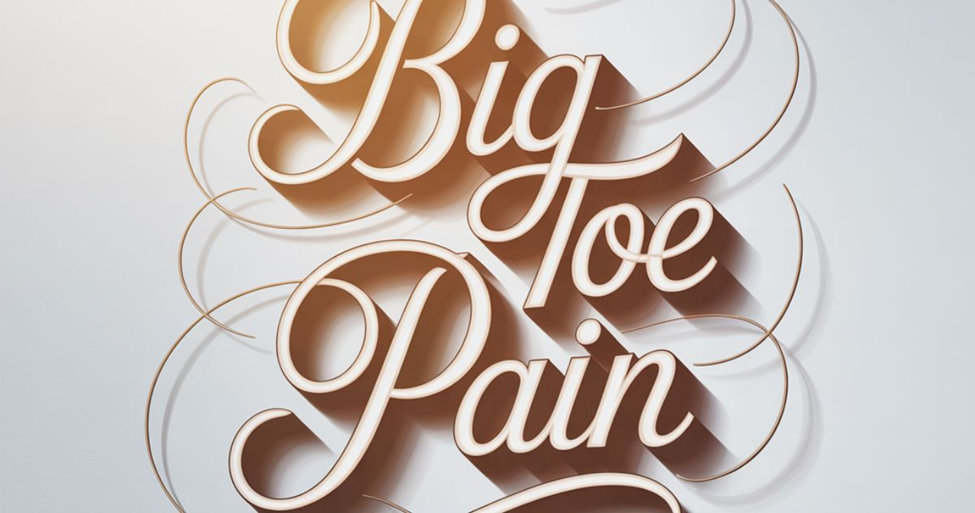
Your big toe joint is a small but powerful hinge connecting your toe to the rest of your foot. It’s made up of bones, tendons, ligaments, and cartilage that allow flexibility while supporting body weight. The joint at the base of the big toe the first MTP joint absorbs impact each time you push off to walk or run.
When healthy, this joint moves smoothly. But when damaged, pain at the base of the big toe, joint stiffness, or swelling may occur. Over time, repetitive stress or improper footwear can lead to hallux pain, big toe inflammation, and even deformities like hallux valgus (bunions) or hallux rigidus (stiff big toe).
| Structure | Function | Common Issue |
| Metatarsal bone | Connects toe to foot | Fracture of the big toe |
| Phalanges | Provide motion and flexibility | Pain in the ball of the foot near big toe |
| Cartilage | Cushions joint surfaces | Toe joint arthritis |
| Tendons/Ligaments | Enable movement | Turf toe (MTP joint sprain) |
Common Causes of Big Toe Pain
Several problems can lead to pain in the big toe joint. Sometimes it’s an acute injury, other times it’s wear and tear from daily activity. The most frequent culprits include arthritis, bunion (hallux valgus), gout (podagra), turf toe, sesamoiditis, ingrown toenail, and toe fractures.
Other triggers include footwear too tight or narrow, sports injury, flat feet, or even genetics. People who stand long hours or wear high heels also experience sore big toes after walking due to excess joint pressure. Recognizing your cause helps prevent worsening big toe swelling and stiffness.
Arthritis and Hallux Rigidus
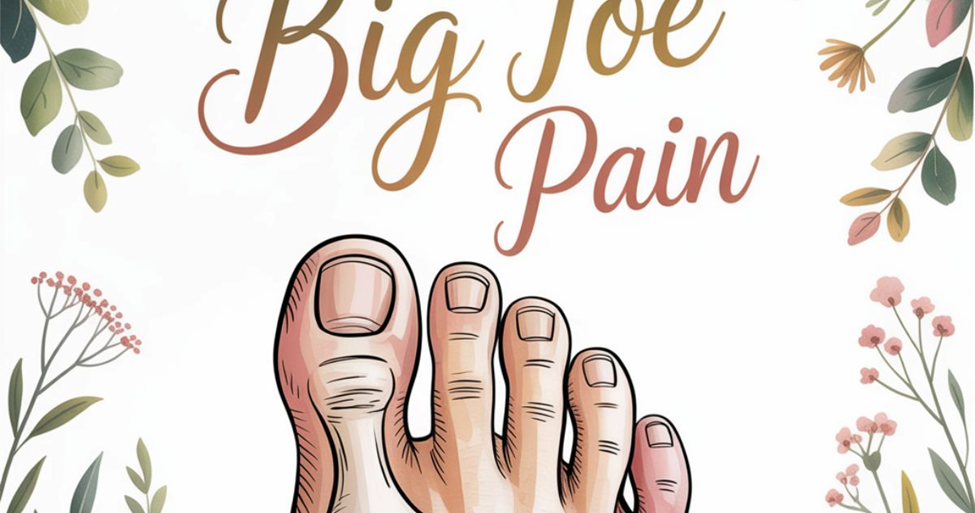
Arthritis is one of the top reasons for pain in the big toe joint. It occurs when cartilage breaks down, leading to stiffness, swelling, and tenderness when walking. Over time, the condition can become hallux rigidus, a form of osteoarthritis that causes limited motion and pain even at rest.
This condition often develops gradually, making it easy to ignore at first. However, as foot pain at the first MTP joint worsens, walking or climbing stairs can become unbearable. Treatments include NSAIDs (ibuprofen, diclofenac), physical therapy, rocker-bottom shoes, or in severe cases, surgery (cheilectomy or fusion) to restore motion.
Bunions (Hallux Valgus)
A bunion (hallux valgus) is a painful lump at the base of the big toe caused by bone misalignment. Over time, the big toe angles toward the smaller toes, forming a visible bump. This deformity leads to red, swollen big toe joints, pain when wearing shoes, and sometimes nerve compression.
Genetics, tight shoes, and flat feet play big roles in bunion development. Mild cases benefit from toe spacers, bunion pads, or orthotics, while advanced cases may need osteotomy surgery. Ignoring bunions can result in permanent big toe discomfort and limited motion.
Ingrown Toenail
An ingrown toenail happens when the nail’s edge grows into the surrounding skin, causing inflammation around the nail bed. It’s one of the most common sources of big toe pain and often leads to redness and warmth or even paronychia (toe infection) if bacteria invade.
Improper nail trimming, tight shoes, or trauma to the toe can cause this issue. At-home care includes warm Epsom salt soaks, proper foot hygiene, and avoiding pressure on the affected area. In severe cases, a doctor may perform a nail matrixectomy to remove part of the nail permanently.
Gout and Uric Acid Build-Up
Gout (podagra) is notorious for causing sudden, severe throbbing pain in the big toe, often striking at night. It occurs when uric acid crystals accumulate in the joint, leading to inflammation, redness, and intense swelling. Many patients describe it as feeling like their toe is on fire.
Risk factors include a purine-rich diet, alcohol, obesity, and diabetes. Treatment involves colchicine or uric-acid lowering drugs, hydration, and a diet low in purines. Managing gout early prevents chronic toe joint arthritis and permanent joint damage.
Turf Toe (Big Toe Sprain)
Turf toe (MTP joint sprain) occurs when the big toe bends too far upward, stretching or tearing soft tissues around the joint. It’s a common sports injury in athletes who play on artificial turf. Symptoms include pain on the push-off phase, swelling, and pain when bending the big toe.
Early care is crucial. Rest, ice, compression, and elevation (RICE) can minimize pain and swelling. For athletes, stiff-soled shoes and custom insoles can prevent further injury. Ignoring turf toe may cause chronic pain under the big toe and joint instability.
Sesamoiditis (Inflammation Under the Big Toe)
Sesamoiditis is inflammation of two tiny bones under the big toe that act like pulleys for tendons. Overuse, running, or high-impact sports can irritate this area, leading to pain under the big toe, tenderness, and pressure under the ball of the foot.
Treatment focuses on reducing stress with orthotics, toe taping, or NSAIDs. Dancers and runners are particularly prone to this condition. Left untreated, sesamoiditis can cause degenerative bone changes or even small fractures in the area.
Fractures and Sprains of the Big Toe
A fracture of the big toe or a sprain can result from trauma, stubbing your toe, or dropping something heavy on your foot. These injuries often cause sharp pain in the big toe at night, swelling, and bruising. You might also feel pain in the big toe after injury or difficulty walking.
Minor fractures heal with RICE therapy, while severe breaks may need immobilization or surgery. It’s important to rest and avoid placing weight on the injured foot to prevent long-term big toe stiffness or deformity.
Nerve and Circulation Problems
Sometimes big toe pain isn’t from the bones or joints but from nerve compression or poor circulation. Conditions like Morton’s neuroma, tarsal tunnel syndrome, or diabetic neuropathy can trigger burning or tingling in the big toe and numbness in the toes.
People with diabetes or poor circulation may also develop toe ulceration if not properly cared for. Managing underlying conditions, improving blood flow, and using orthotics or physical therapy can help restore comfort and mobility.
Nail and Skin Infections
Toenail fungus (onychomycosis) and paronychia are frequent causes of pain in the big toe joint area. Infections can lead to thickened nails, inflammation, and redness around the toe. People who sweat excessively or wear closed shoes all day are at higher risk.
Treatment may involve antifungal medication, foot hygiene, and trimming nails properly. Severe cases may need medical debridement or surgical nail removal. Keeping the feet clean, dry, and ventilated prevents future infections.
Home Remedies and Lifestyle Tips for Big Toe Pain
Most cases of sore big toe after walking can be eased with simple lifestyle changes. Start by switching to comfortable, well-fitting shoes with room for your toes. Add orthotics or custom insoles to reduce pressure on the first MTP joint. Warm Epsom salt soaks or gentle stretching help ease joint stiffness and inflammation.
For chronic conditions, maintain a healthy weight, practice foot-strengthening exercises, and use NSAIDs sparingly to control pain and swelling. Consistency in care often prevents recurring big toe inflammation and discomfort.
When to See a Doctor
You should see a doctor if your big toe pain lasts more than a few days, worsens with walking, or is accompanied by swelling, bruising, or numbness. Persistent pain in the big toe after injury or visible deformity may require imaging to rule out a fracture or arthritis.
Also, people with diabetes, autoimmune disease, or circulation issues should never ignore red, swollen big toe joints or open sores. Early diagnosis prevents long-term complications and speeds recovery.
Preventing Big Toe Pain
Prevention starts with caring for your feet daily. Wear supportive shoes, avoid walking barefoot on hard surfaces, and stretch your toes regularly. Replace worn-out shoes and maintain proper foot hygiene to prevent ingrown nails or fungal infections.
Eat a balanced diet to avoid high uric acid levels, stay active but avoid repetitive stress injuries, and keep your blood sugar in check if you have diabetes. Prevention is always easier and less painful than cure.
Summary / Key Takeaways
Big toe joint pain can stem from many issues from bunion (hallux valgus) and hallux rigidus to gout or nerve problems. While most causes are treatable, early action prevents chronic damage. Remember: your big toe carries more load than you realize. Care for it, and it’ll carry you comfortably for years.
Stay mindful of pain at the base of the big toe, swelling, or stiffness. If discomfort persists, don’t wait it out. A quick evaluation can rule out serious conditions and put you on the path to pain-free steps again.
FAQs
What does pain in the big toe indicate?
Pain in the big toe often signals joint inflammation, arthritis, gout, or an injury such as a sprain or fracture.
How do you treat sharp pain in the big toe?
Treat sharp toe pain with rest, ice, and anti-inflammatory medication, and wear supportive shoes to reduce pressure on the joint.
What can I do to relieve pain in my big toe?
You can soak your foot in warm Epsom salt water, use orthotic inserts, and gently stretch your toes to ease discomfort.
How do you treat sharp pain in the big toe?
Use RICE therapy (rest, ice, compression, elevation) and avoid activities that worsen the pain; see a doctor if it persists.
What does gout in the big toe feel like?
Gout feels like a sudden, intense throbbing or burning pain with swelling, redness, and warmth at the base of the big toe