
 Sky Bloom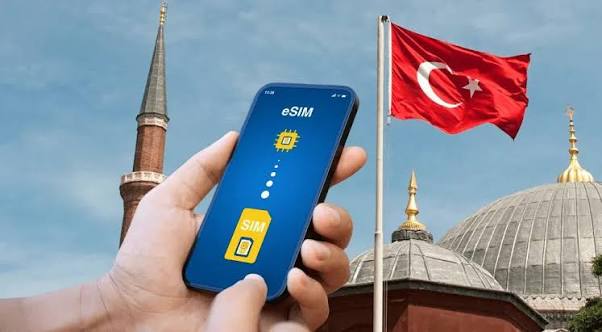
Travel has become increasingly digital. Boarding passes are stored on phones, hotel reservations are managed through apps, maps replace printed guides, and travelers often depend on mobile internet from the moment they arrive at their destination.
Turkey is a particularly good example of this shift. Millions of international visitors travel each year to Istanbul, Antalya, Cappadocia, Izmir, Bodrum, and other parts of the country. For many of them, finding a convenient way to stay connected is now just as important as booking accommodation or arranging transportation.
This is where eSIM technology is changing the experience.
Instead of searching for a physical SIM card after landing, travelers can prepare their mobile data connection before the trip and activate it when they need it.
Why Mobile Internet Matters When Visiting Turkey
For modern travelers, internet access is no longer simply about checking social media.
A reliable mobile connection can be useful throughout almost every stage of a trip. Visitors may need Google Maps to navigate Istanbul, translation apps when communicating locally, ride-hailing or transportation services, mobile banking, restaurant recommendations, airline notifications, or messaging apps to stay in contact with family and friends.
Traditional international roaming can provide this connectivity, but depending on the traveler’s home network, roaming charges may become expensive.
Another option is purchasing a local physical SIM card after arriving in Turkey. While this can work well for some visitors, it also means finding a mobile shop, comparing packages, registering the SIM where required, and physically replacing or adding a SIM card.
eSIM technology offers another approach.
What Exactly Is an eSIM?
An eSIM, or embedded SIM, is a digital version of the traditional SIM card built directly into compatible smartphones and other devices.
Instead of inserting a plastic card into the phone, users download a mobile profile digitally. The process is usually completed by scanning a QR code or installing the eSIM through an app.
Once installed, the eSIM behaves similarly to a normal SIM card and can connect the device to supported mobile networks.
One important advantage is that travelers can keep their regular SIM card active while using the eSIM for mobile data.
For example, someone visiting Turkey can keep their normal phone number available for messages or authentication while using a separate Turkey eSIM for internet access during the trip.
This makes the technology especially convenient for international travel.
Preparing Internet Access Before the Flight
One of the biggest differences between physical SIM cards and eSIMs is when the setup can happen.
With a traditional tourist SIM, travelers normally need to wait until they arrive at their destination.
An eSIM can usually be purchased and installed beforehand.
A traveler preparing for a week in Istanbul, for example, can organize mobile connectivity from home. When the plane lands, the traveler simply enables the eSIM, switches mobile data to the new connection, and turns on data roaming for that profile if required.
There is no need to search for airport Wi-Fi before organizing a mobile connection.
This can be particularly useful for travelers who immediately need directions to a hotel, transportation information, or access to a booking confirmation.
Choosing the Right Data Package
Not every traveler uses mobile data in the same way.
Someone spending a long weekend in Istanbul may only need a few gigabytes for maps, messages, emails, and occasional browsing.
A traveler spending two or three weeks exploring several parts of Turkey may need significantly more data.
Video streaming, uploading high-resolution photos, using social media frequently, video calls, and mobile hotspot usage can consume data much faster.
For this reason, travelers should consider both the amount of data and the validity period before purchasing an eSIM.
Services such as MobiSIM provide different international and destination-specific packages, allowing travelers to compare options based on their expected usage rather than relying automatically on their home operator’s roaming plan.
Searching for an eSIM Turkey plan before departure can therefore become part of the same travel preparation process as comparing flights, hotels, or airport transfers.
Keeping Your Main SIM Active
Dual-SIM functionality is another reason eSIMs have become popular among travelers.
Many modern smartphones allow a physical SIM and an eSIM to remain installed at the same time. Some newer devices can even store several eSIM profiles.
This allows travelers to separate their usual phone service from their travel data connection.
Their primary number can remain associated with services such as WhatsApp, banking applications, and existing contacts, while internet traffic is routed through the travel eSIM.
However, travelers should always check their phone settings carefully. If the goal is to avoid unexpected roaming charges from their home operator, mobile data should be assigned to the travel eSIM rather than the primary SIM.
Device Compatibility Still Matters
Despite the growing adoption of eSIM technology, not every smartphone supports it.
Compatibility can vary by manufacturer, model, country of purchase, and sometimes even by carrier.
Recent iPhones, Google Pixel devices, Samsung Galaxy flagship phones, and several models from other manufacturers commonly support eSIM, but users should verify their specific device before purchasing a plan.
A simple check in the phone settings can often confirm whether an option to add an eSIM or mobile plan is available.
Travelers should also make sure their device is network-unlocked if required.
Checking these details before purchasing prevents problems later, particularly when preparing for an international trip.
eSIMs Are Part of a Larger Travel-Tech Shift
The growing popularity of eSIMs reflects a broader change in how travel is organized.
Travelers increasingly expect services to be available instantly and digitally.
Hotel check-ins can be completed through smartphones. Airline tickets sit inside digital wallets. Currency conversion, navigation, translation, transportation, and restaurant bookings can all happen through apps.
Mobile connectivity is becoming part of the same ecosystem.
Instead of treating internet access as something that must be arranged after reaching the destination, travelers can now include it in their pre-trip planning.
For destinations such as Turkey, where visitors often move between major cities, coastal areas, historical sites, and tourist regions, this flexibility can be particularly useful.
A Few Things to Check Before Traveling
Before relying on an eSIM during a trip to Turkey, travelers should confirm a few basic details.
First, the smartphone must support eSIM technology.
Second, the selected package should provide enough data for the length and style of the trip.
Third, users should understand when the validity period begins. Some plans activate immediately after installation, while others begin when the eSIM first connects to a supported network.
Finally, it is usually better to install the eSIM while connected to a stable internet connection before departure. This allows travelers to confirm that the profile appears correctly on the device while still having access to their regular connection.
The eSIM can then remain disabled until it is needed.
The Future of Travel Connectivity
Physical SIM cards are unlikely to disappear overnight, but the direction of mobile technology is becoming increasingly clear.
More smartphone manufacturers are integrating eSIM support, more operators are enabling digital activation, and travelers are becoming accustomed to managing connectivity through software rather than physical cards.
For people visiting Turkey, this means one less task after arriving.
Instead of standing at an airport counter or searching for a SIM shop, travelers can increasingly arrange their mobile connection alongside the rest of their trip.
It is a relatively small technological change, but one that can make international travel noticeably simpler.
As smartphones continue to become the center of the travel experience, eSIM technology is likely to become an increasingly normal part of preparing for a journey abroad.


 Umar Attique Shah
 IQnewswire