
 alishanasir237@gmail.com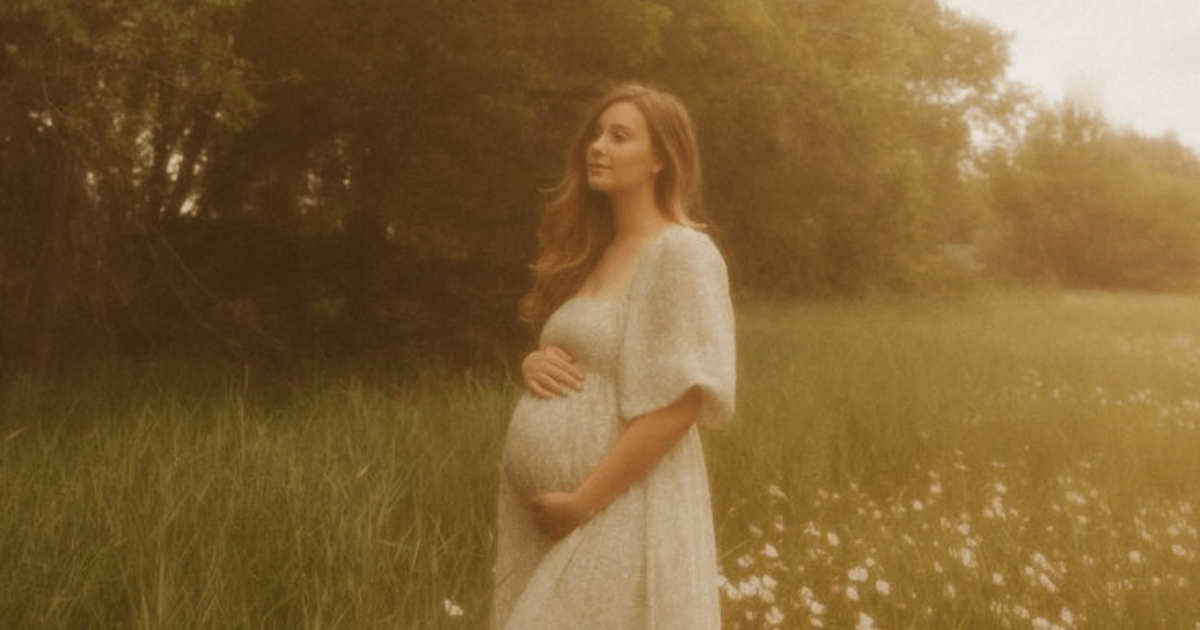
Pregnancy is one of those rare seasons in life where everything feels both ordinary and extraordinary at the same time. Ordinary, because daily routines still go on—work, meals, errands, laundry. Extraordinary, because behind every small moment, a new life is quietly growing.
A maternity photography is not just about taking pretty pictures. It’s about preserving a chapter that passes quickly, often faster than people expect. A good maternity photographer understands this balance and helps turn fleeting moments into lasting memories that feel honest, warm, and deeply personal.
Understanding the Role Behind the Camera
A maternity photographer does more than just press a shutter button. Their job is part storyteller, part comforter, and part technical expert.
They understand how to work with lighting that flatters natural body changes during pregnancy. Soft window light, golden hour sunlight outdoors, or carefully controlled studio lighting all play a role in shaping the final mood of the photos.
But just as important as technical skill is emotional awareness. Pregnancy can come with mixed feelings—excitement, anxiety, discomfort, and joy all at once. A skilled photographer knows how to guide expecting mothers in a way that feels relaxed instead of posed or forced.
For example, instead of rigid instructions like “stand here and smile,” they might say, “walk slowly toward the window and think about your baby’s name.” Small prompts like this often create more natural expressions and body language.
This blend of empathy and artistry is what defines a true maternity specialist.
What a Maternity Session Feels Like in Real Life
Many people imagine photo sessions as formal or intimidating, but maternity shoots are usually much more relaxed than expected.
A typical session might start with simple conversations over coffee or while setting up equipment. This helps ease tension and allows the photographer to understand the personality of the parents-to-be.
Outfits are usually chosen to highlight comfort and confidence. Flowing dresses, neutral tones, or even simple fitted clothing often work better than overly complex styling. The goal is not to hide the pregnancy but to gently highlight it.
During the shoot, the photographer may guide small movements rather than static poses. For instance:
- Sitting near a window while resting hands on the belly
- Walking slowly through a garden path
- Sharing a quiet laugh with a partner
- Looking down at baby shoes or ultrasound photos
These moments may feel simple, but they often become the most meaningful images later on.
In many ways, the experience is similar to other lifestyle services. Just like wedding planners manage emotions during a big day or interior designers shape how a home feels lived-in, maternity photographers help shape how a life transition is remembered.
The final images often feel less like “posed portraits” and more like visual memories of a real day in someone’s life.
Why This Work Matters Beyond Photography
Maternity photography is not only personal—it also reflects a broader cultural appreciation for life milestones.
In healthcare, for example, clinics often use calming imagery in maternity wards to help reduce stress for expecting mothers. In fashion, maternity wear brands rely heavily on natural maternity photos to show how clothing moves with the body rather than against it. Even in publishing, lifestyle magazines use these images to tell stories about family, wellness, and identity.
This is where the value of a maternity photography specialist becomes especially clear. They don’t just document a pregnancy; they help shape how motherhood is visually understood and remembered across different spaces—family albums, social media, branding, and even professional portfolios.
In a world where most photos are taken quickly on phones and forgotten in digital folders, a specialist brings intention back into the process. They think about composition, emotion, timing, and story in a way that turns everyday moments into something lasting.
Tips for a Natural and Comfortable Maternity Shoot
Even if you’re not a photographer, understanding a few simple tips can make a big difference in how comfortable and confident you feel during a shoot.
First, timing matters. Most expecting mothers find the best time for maternity photos is between 28 and 34 weeks. At this stage, the belly is beautifully visible, but movement is still relatively comfortable.
Second, comfort should always come before style. Tight clothing, heavy accessories, or complicated outfits can make it harder to relax. Simple fabrics that move with the body usually photograph better and feel easier to wear for longer sessions.
Third, location plays a huge role in mood. Outdoor spaces like gardens, beaches, or quiet parks create a natural softness. Indoor settings, like bedrooms or living rooms, often feel more intimate and personal. Neither is better—it just depends on the story you want to tell.
Fourth, involving a partner or family members can add emotional depth. A partner holding the belly, a child gently touching it, or even a pet nearby can turn a photo into a full family moment instead of an individual portrait.
Finally, trust the process. The best images often happen between poses—during laughter, quiet pauses, or small candid interactions. Trying too hard to “pose perfectly” can sometimes remove the natural feeling that makes maternity photos special.
A Quiet Celebration of Change
At its heart, maternity photography is not about perfection. It’s about presence.
It captures the quiet strength of a body doing something incredible, the anticipation of a new chapter, and the love that already exists before a baby even arrives.
When done thoughtfully, these images become more than photographs. They become reminders of how life once felt in a very specific, beautiful moment—before everything changed, and after everything began.
Whether displayed in a frame, stored in an album, or shared with family, these photos carry emotional weight that grows over time. They are not just for today—they are for years later, when memories start to fade but images remain.
And that is what makes this work so meaningful: it turns waiting into memory, and transformation into something you can see and feel forever.


 Umar Attique Shah