
 alishanasir237@gmail.com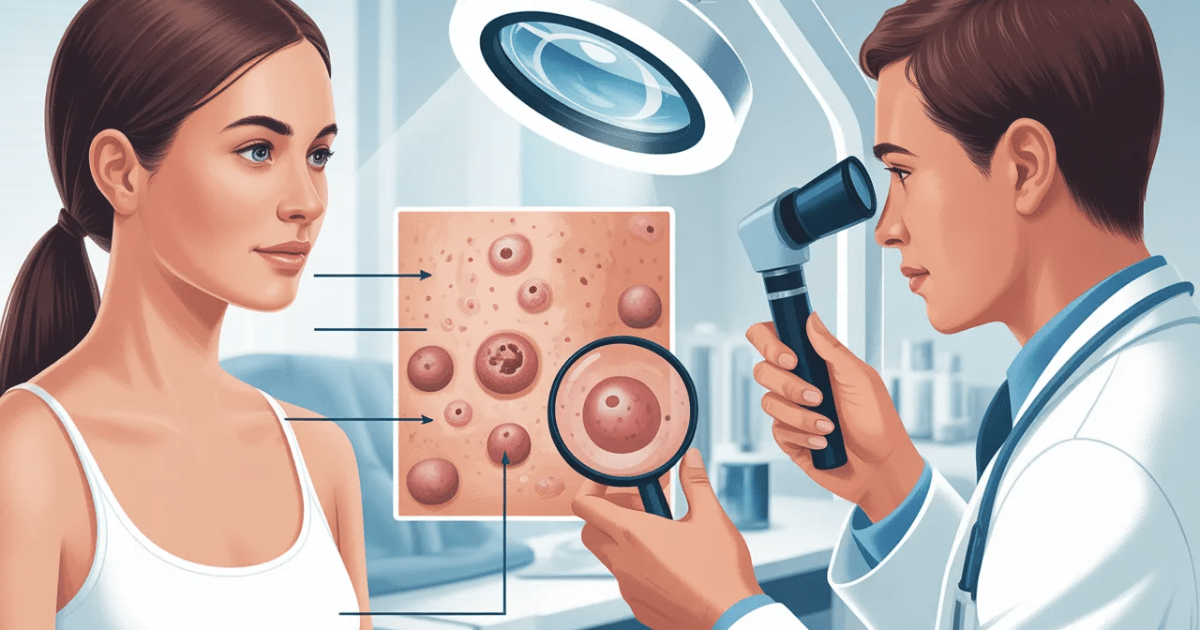
Australia’s climate encourages people to spend more time outdoors, whether it’s relaxing at the beach, participating in sports, or enjoying weekend adventures under the sun. While this lifestyle has many benefits, constant exposure to ultraviolet radiation can quietly damage the skin over the years. Because of this growing concern, more Australians are choosing to book skin cancer check appointments before visible symptoms become serious.
Recognizing suspicious changes early can greatly improve treatment success in skin cancer and reduce the likelihood of complications later on. Preventive action has become one of the most effective ways to maintain long-term skin health.
Sun Damage Often Develops Gradually
One of the biggest challenges with skin cancer is that harmful changes may appear slowly and without pain. A small spot, patch, or mole can evolve to skin cancer over time without drawing much attention. Many people mistakenly assume that only severe sunburns create danger, but cumulative exposure from daily outdoor activities also contributes to skin damage.
This is why regular skin examinations are becoming increasingly important to avoid skin cancer. Detecting unusual changes early allows doctors to assess concerns before they progress into more advanced conditions.
Subtle Skin Changes Can Be Warning Signs
Not every mark on the skin indicates a serious problem, but certain developments should never be ignored. Paying attention to irregularities can help individuals identify potential risks sooner rather than later.
Some indicators worth monitoring include:
- Dark spots that begin changing appearance
- Growths with uneven coloring
- Scaly areas that persist for weeks
- Lesions that bleed unexpectedly
- Moles becoming asymmetrical
- Skin irritation that repeatedly returns
Even minor changes deserve professional evaluation if they continue over time.
Why Preventive Screenings Are Becoming More Common
In recent years, healthcare professionals have emphasized the value of routine skin cancer assessments. Australians are becoming more educated about the connection between UV exposure and skin disease, encouraging a stronger focus on prevention.
Rather than waiting for discomfort or visible deterioration, many individuals now include skin examinations in their regular healthcare routines. This shift reflects a broader understanding that early medical attention often leads to simpler and more effective treatment options.
Public awareness campaigns have also encouraged people to treat skin health with the same importance as dental checkups or annual physical examinations.
Certain Lifestyle Factors Increase Risk
Although anyone can develop skin cancer, some groups face a greater likelihood due to environmental and genetic influences.
Frequent Outdoor Exposure
People who spend long hours outside for work or recreation are regularly exposed to strong UV rays. Farmers, construction workers, athletes, and beachgoers often accumulate significant sun damage over time.
Fair or Sensitive Skin Types
Individuals with lighter complexions generally have lower natural protection against ultraviolet radiation, making them more vulnerable to skin damage.
Personal or Family Medical History
A previous diagnosis or family history of skin cancer can increase future risk and may require more consistent monitoring.
History of Severe Sunburns
Repeated sunburns, particularly during childhood or adolescence, may contribute to long-term skin complications later in life.
Modern Clinics Make Screening Easier
Advancements in dermatology have made professional skin assessments faster and more accessible than ever before. Many clinics now use digital imaging systems that help track changes in pigmentation and mole patterns with greater accuracy.
These technologies assist doctors in identifying abnormalities earlier and monitoring areas of concern over time. In many cases, examinations are simple, non-invasive, and completed within a short appointment.
Telehealth services have also improved access for people living in rural or remote areas where specialist care may not always be nearby.
Daily Habits Still Play a Major Role
Professional screenings are valuable, but daily sun protection remains equally essential. Consistent protective habits can help reduce ongoing UV damage and support healthier skin throughout life.
Simple preventative measures include:
- Wearing broad-spectrum sunscreen every day
- Using wide-brimmed hats outdoors
- Choosing protective clothing during peak sunlight hours
- Seeking shaded areas whenever possible
- Wearing sunglasses with UV protection
Building these routines into everyday life can significantly lower future risks.
Taking Action Before Symptoms Escalate
Many serious skin conditions become more manageable when identified early. Waiting until symptoms worsen may limit treatment options and increase complications. Regular monitoring allows people to stay informed about changes in their skin and respond quickly when something appears unusual.
As awareness around skin health continues to grow across Australia, preventive care is becoming a normal part of responsible wellness. Early attention, professional guidance, and consistent protection can all contribute to healthier outcomes and greater peace of mind for years to come.