 alishanasir237@gmail.com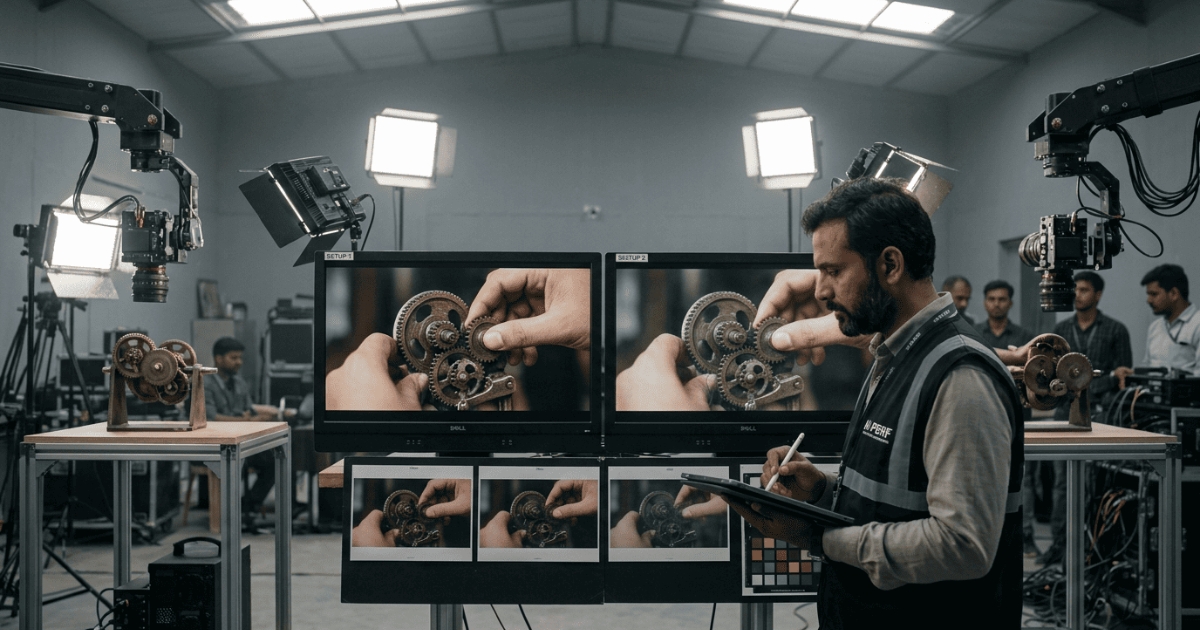
The landscape of artificial intelligence has shifted from experimental novelties to production-grade tools. In 2026, the conversation is no longer about whether AI can generate video, but rather how much control a creator has over the final output. Two titans currently dominate the professional space: Sora and Seedance 2.0.
While Sora captured early headlines with its impressive conceptual physics, creators are looking for reliability and multi-modal integration. When creators evaluate the landscape today, the release o fseedance 2.0 on the higgsfield platform marks a significant turning point. It transitions AI from a one-click gamble to a structured filmmaking environment.
This comparison explores why technical precision, asset handling, and character consistency have become the new benchmarks. We will analyze how these tools perform in high-stakes professional environments where “good enough” is no longer acceptable.
The Technical Edge: ByteDance Model Architecture
Seedance 2.0 is a state-of-the-art model developed by ByteDance, the engineering powerhouse behind some of the world’s most sophisticated content algorithms. Unlike models that rely solely on text-to-video diffusion, this architecture is designed for multimodal grounding. This means it interprets various input types simultaneously to ensure the output matches the creator’s vision.
The technical superiority of Seedance 2.0 lies in its frame-level precision. This level of control allows users on higgsfield to maintain visual integrity across complex movements. While other models often suffer from “morphing” or “hallucinations” in high-motion scenes, the ByteDance model retains structural rigidity.
Character consistency has been the “holy grail” of AI video since its inception. Seedance 2.0 solves this by using advanced reference encoding. By analyzing up to 12 distinct assets, the model builds a 3D-aware understanding of the subject. This ensures that a character looks the same in a close-up as they do in a wide shot.
Multimodal Inputs and Asset Handling
One of the most significant differences between these tools is how they handle input data. Sora primarily functions as a prompt-heavy system, requiring descriptive text to guide the generation. While powerful, this often leads to a “lottery” effect where the user must regenerate multiple times to get the desired result.
In contrast, the workflow on higgsfield allows for much deeper asset integration. Seedance 2.0 accepts a combination of inputs that includes:
- Detailed text prompts for narrative direction.
- Reference images for character and environment design.
- Existing video clips to serve as motion or structural templates.
- Audio files for synchronization and mood mapping.
The ability to input up to 12 assets simultaneously is a game-changer for professional studios. This allows a director to provide a character sketch, a specific background photo, and a voiceover track all at once. The ability to integrate diverse data types is a key driver in the economic value of generative AI.
Multi-Shot Capabilities and Cinematic Storytelling
True filmmaking requires more than a single impressive shot. It requires a sequence of shots that tell a cohesive story. Sora has traditionally focused on long, single-take generations that showcase physics. While visually stunning, these are often difficult to edit into a traditional narrative structure.
Seedance 2.0 was built with cinematic storytelling in its DNA. The tool allows for multi-shot generation within a single project. This means the AI understands the relationship between different camera angles. If you generate a wide shot followed by a medium shot, the model ensures the lighting and character details remain identical.
Native audio sync is another area where Seedance 2.0 takes the lead. Traditional workflows involve generating video and then trying to match audio in post-production. The higgsfield implementation allows for native audio co-generation. This means the lip-sync and ambient sounds are mathematically aligned with the visual frames from the moment of creation.
Professional Use Cases: Where Precision Matters
Professionals in the marketing and film industries cannot afford the unpredictability of early-stage AI models. They need tools that function like digital backlots. Here are the specific scenarios where Seedance 2.0 is currently outperforming the competition:
High-End Marketing Campaigns
Marketing agencies require strict adherence to brand guidelines. This includes specific color palettes and recurring characters. Using the asset-heavy workflow on higgsfield, agencies can upload brand assets to ensure the AI never deviates from the established visual identity.
Social Media at Scale
Content creators need to produce high-quality video daily. The ability to use video-to-video features in Seedance 2.0 allows creators to film a rough layout on a smartphone and transform it into a cinematic masterpiece. This maintains the creator’s original timing and blocking while upgrading the visual fidelity.
Rapid Prototyping for Filmmakers
Directors use these tools for “pre-visualization.” Instead of expensive storyboards, they can generate actual scenes to test lighting and pacing. The frame-level precision ensures that these prototypes are accurate representations of what can be filmed in real life.
A Professional Take: Pros and Cons
No tool is perfect, and choosing between Sora and Seedance 2.0 requires understanding the trade-offs. Both represent the pinnacle of current technology, but they serve different philosophies.
Seedance 2.0 (via Higgsfield)
- Pros: Exceptional character consistency, native audio synchronization, and support for up to 12 input assets.
- Pros: Accessible on all higgsfield subscription plans, making high-end AI available to independent creators.
- Pros: Cinematic multi-shot capabilities that facilitate actual storytelling rather than just visual loops.
- Cons: The depth of features requires a steeper learning curve than simple text-to-video tools.
Sora
- Pros: Incredible understanding of physical simulations and fluid motion over long durations.
- Pros: Strong performance in generating dream-like or surrealist imagery from simple text.
- Cons: Limited control over specific character details across multiple shots.
- Cons: High computational requirements often lead to longer wait times or restricted access.
Why Higgsfield is the Superior Choice for 2026
When we look at the trajectory of the industry, the move toward “control” is undeniable. Sora is a powerful engine, but it often feels like a closed box. You give it a prompt and hope for the best. For a hobbyist, this is magical. For a professional, it is a bottleneck.
The implementation of seedance 2.0 on the higgsfield platform represents a more mature approach to AI. By allowing users to provide 12 different assets, the platform acknowledges that the human creator is the director, not just the “prompter.” The AI is the crew, but the user provides the blueprints.
Furthermore, the availability of this model across all subscription tiers is a significant factor. While other companies gate their best models behind enterprise contracts, higgsfield has democratized access to ByteDance’s cutting-edge technology. This ensures that a solo creator has the same narrative power as a major studio.
Final Verdict: Which Tool Delivers?
In the battle of Seedance 2.0 vs Sora, the winner depends on your definition of “delivery.” If you want a tool that can surprise you with a beautiful but unpredictable 60-second clip, Sora remains a formidable contender. Its mastery of fluid motion is still a benchmark for the industry.
However, if you need to deliver a project on a deadline with specific visual requirements, Seedance 2.0 is the clear winner. The combination of character consistency, frame-level precision, and native audio sync makes it a production-ready solution. It transitions AI from a “toy” into a “tool.”
For the professional creator in 2026, the choice is clear. The ability to ground your generations in real-world assets and maintain a cohesive narrative across multiple shots is indispensable. By leveraging the power of seedance 2.0, creators are finally finding the balance between the speed of AI and the precision of traditional filmmaking. The future of video generation is not just about what the AI can imagine, it is about what the creator can control.

 Umar Attique Shah
 IQnewswire