
 alishanasir237@gmail.com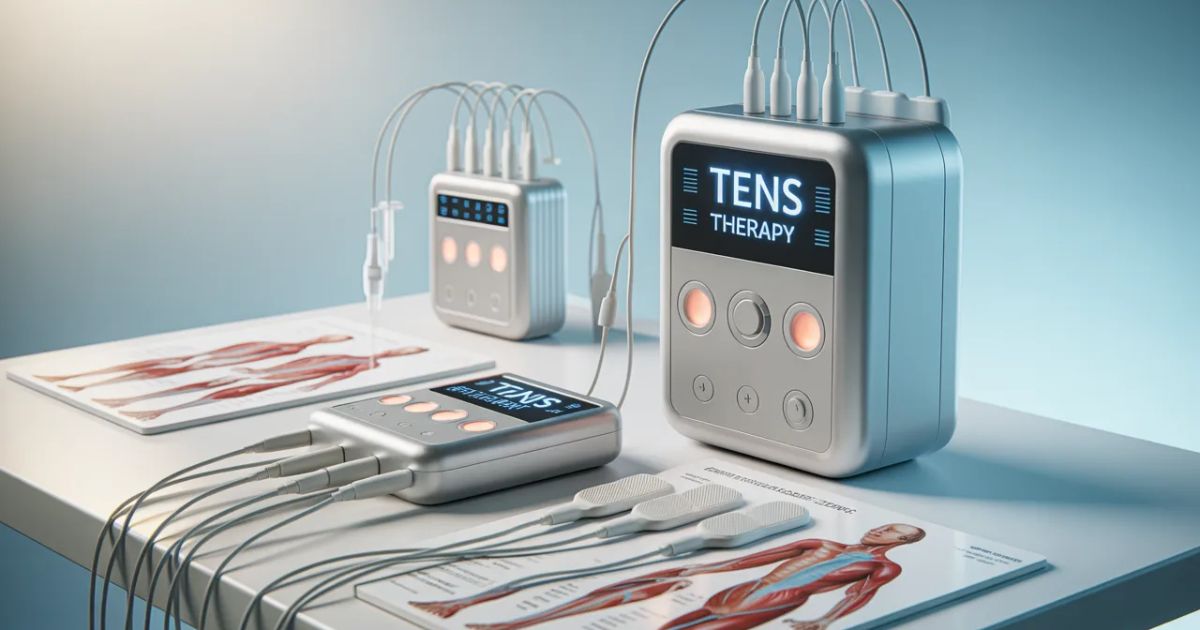
Electrical nerve stimulation devices help millions manage pain, ease stress, and support better sleep without drugs. These tools send gentle electrical signals through the skin to nerves, calming the body or easing discomfort in targeted ways. People turn to them for everything from chronic back pain to daily anxiety and poor rest. In 2026 the options keep expanding, with non-invasive vagus nerve stimulators gaining special attention for their quick, natural effects on the nervous system.
Vagus nerve stimulation stands out among the choices because it targets the longest cranial nerve, which influences heart rate, digestion, inflammation, and mood. Many users notice calmer feelings and steadier energy after regular sessions.
What Electrical Nerve Stimulation Devices Actually Do
These devices fall into a few main groups. TENS units (transcutaneous electrical nerve stimulation) focus mainly on pain relief by blocking pain signals to the brain. EMS devices (electrical muscle stimulation) help with muscle recovery and strength by causing contractions. Vagus nerve stimulators (often called tVNS or non-invasive VNS) work higher up the nervous system to shift the body from “fight or flight” to “rest and digest.” Microcurrent and acupuncture-style devices add lighter options for facial or pinpoint relief.
Each type uses low-level currents that feel like a mild tingle or pulse. Sessions last just minutes in many cases, and modern versions run on rechargeable batteries with app controls for easy home use. People who want drug-free support for everyday wellness often start here because the technology feels approachable and delivers noticeable results fast.
How These Devices Work in Simple Terms
Science rests on the nervous system’s wiring. Electrical impulses travel along nerves and influence brain signals, hormone release, and inflammation levels. For vagus nerve devices the current usually goes through the neck or ear to reach the vagus branch. This boosts parasympathetic activity, which slows heart rate, lowers cortisol, and improves heart rate variability (HRV)—a key marker of resilience to stress.
Studies show consistent use can lead to measurable changes. One 2025 user study on a popular neck-based stimulator found participants experienced 56 percent lower stress levels and 41 percent better sleep quality after four weeks of short daily sessions. TENS units, meanwhile, earn solid marks for reducing chronic pain intensity, with research often reporting moderate to large improvements compared to placebo. The effects build over time, especially when users combine the devices with simple habits like breathing exercises or movement.
Real Benefits People Experience
Users report a mix of quick wins and longer-term gains. Many feel calmer within minutes of a vagus nerve session, while TENS brings fast relief for sore muscles or joints. Over weeks the benefits compound: better sleep, steadier mood, less inflammation, and easier recovery from workouts or daily strain. Some even note sharper focus and fewer tension headaches.
Here is a quick look at recent data points that stand out:
- Stress reduction: Up to 56% drop reported in short-term VNS studies.
- Sleep improvement: 41% average gain in quality and duration.
- Pain relief: TENS devices often cut perceived pain by 30-50% in chronic conditions.
- HRV boost: Many VNS users see a 20-30% rise, signaling stronger nervous system balance.
- Market growth: The electrical stimulation sector reached roughly $7-9 billion globally in 2026, with consumer wellness devices driving much of the 7-9% yearly increase.
These numbers come from user reports and clinical overviews published in early 2026. They show why so many now keep a device handy at home or in a travel bag.
Key Factors to Consider When Choosing a Device
Not every option fits every lifestyle. Battery life, ease of use, and session length matter a lot. Neck-worn vagus stimulators suit people who want quick targeted sessions, while wearable bands or ear pieces offer hands-free all-day support. TENS units shine for localized pain but usually need electrode pads replaced over time.
Price ranges vary widely. Basic TENS models start around $50, while advanced vagus nerve tools sit between $300 and $800 depending on features like app integration and adaptive pulses. Comfort, portability, and warranty also play big roles. Those who travel often prefer compact, wireless models with long battery life. Anyone new to the technology benefits from devices that include clear instructions or guided programs.
Top 10 Best Electrical Nerve Stimulation Devices in 2026
After reviewing current options, user feedback, and performance data, here is a clear ranking of the standouts. The list highlights devices that deliver real results for stress, pain, sleep, and recovery.
| Rank | Name | Description |
| 1 | Pulsetto Vagus Nerve Stimulator | Leading non-invasive neck device that activates the vagus nerve in just 4 minutes per session. Users see fast stress drops, deeper sleep, and better daily calm. App-guided modes and comfortable fit make it a favorite for busy lifestyles. |
| 2 | VNS PocketPlus | Portable powerhouse with adaptive NeuroSync technology and app control. Delivers targeted pulses for quick nervous system balance, anxiety relief, and improved focus. Rechargeable with strong battery life and easy pocket carry. |
| 3 | Vagus Band Pro 2 | Wearable bracelet design for hands-free, all-day or overnight support. Gentle continuous stimulation boosts HRV, eases tension, and prepares the body for restful sleep. Discreet and comfortable for everyday wear. |
| 4 | VAGUS AIR 1 | Smart ear-wearable option with app-guided programs tailored for stress and sleep. Invisible design and precise pulses help users wind down faster and wake more refreshed. Ideal for those who want low-profile daily use. |
| 5 | Vagus Nerve Awakening: 100+ Somatic Exercises & 42-Day Reset Program | Science-backed workbook paired with device routines. Offers over 100 exercises and a structured 42-day plan to rewire the nervous system, melt anxiety, reduce chronic pain, and build lasting calm. Perfect complement to any stimulator. |
| 6 | TENS 7000 Digital TENS Unit | Classic, reliable TENS unit loved for customizable pain relief. Supports up to four pads at once and multiple modes. Great for back, shoulder, or joint discomfort with simple controls and proven track record. |
| 7 | Omron Max Power Relief TENS Unit | Compact, pharmacist-recommended TENS model with strong power levels and easy pad placement. Delivers consistent relief for everyday aches and supports FSA eligibility for many users. |
| 8 | iReliev Wireless TENS + EMS System | Wireless combo unit that blends pain relief with muscle recovery. Dual-channel design and rechargeable pads suit athletes and those recovering from workouts or injuries. |
| 9 | AUVON Rechargeable 3-in-1 TENS/EMS Unit | Versatile rechargeable device with many intensity levels and modes. Excellent for gradual pain relief and muscle stimulation in one portable package. |
| 10 | Premium Microcurrent Facial Stimulator | Lightweight option focused on facial nerves and microcurrent therapy. Helps with tension headaches, skin tone, and gentle nervous system support for a well-rounded wellness routine. |
This ranking puts proven performers first while mixing vagus-focused tools with broader electrical options. Each entry earned its spot through real user results and practical features available in 2026.
Tips for Getting the Most from Any Device
Start with short sessions and low intensity to let the body adjust. Consistency matters more than long use—many people see the best outcomes with daily 4- to 10-minute routines. Pair the device with breathing techniques or light movement for faster nervous system shifts. Track progress in a simple journal or through the device app to notice patterns in sleep, mood, or pain levels.
Clean pads or contact areas regularly and store the unit properly to keep performance high. Consult a doctor before use if someone has a pacemaker, epilepsy, or is pregnant. Most devices come with clear safety guidelines that keep things straightforward for home users.
Latest 2026 News
Early 2026 brought fresh evidence from the RECOVER trial showing that vagus nerve stimulation delivers lasting benefits for people with hard-to-treat depression. Published findings highlighted sustained improvements in mood, daily function, and quality of life over two full years for many participants using implanted devices. At the same time, consumer interest in non-invasive options surged, with market reports noting faster adoption of neck- and ear-based stimulators for everyday stress and sleep support. Researchers continue to explore how these tools affect inflammation and heart health, pointing to even broader applications ahead. The field keeps evolving quickly, making 2026 an exciting time for anyone interested in nervous system wellness.


 Sky Bloom